Contents
Introduction
Both derived from the tea plant, matcha and green tea have been popular drinks for centuries. In recent years, matcha has gained significant attention from consumers worldwide. Besides its unique flavor, the health benefits of matcha have garnered considerable interest, especially in today’s health-conscious society. But is matcha better than green tea? This article will help you understand the differences between these two drinks.
Difference between matcha and green tea
Matcha and green tea have many similarities in nutritional composition and health benefits because they are both made from the tea plant, Camellia sinensis. Regular green tea is made by steeping dried tea leaves in hot water, allowing you to extract the nutrients and flavors before discarding the leaves. With Matcha, on the other hand, you consume the whole tea leaves in powder form. One key factor that makes the difference between matcha and green tea is the cultivation and production process. Let’s take a closer look.
Growing and processing methods
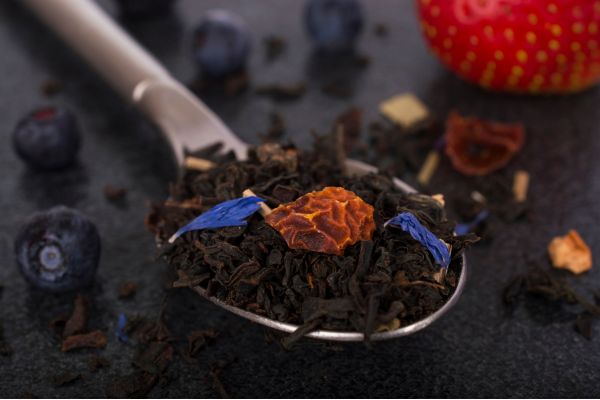
Green tea is grown in completely natural conditions under sunlight, similar to other crops. After harvesting, the leaves go through processing steps such as steaming to prevent oxidation, withering, rolling, and drying. The result is a green tea with dry, loose leaves that brews into a light, vegetal beverage.
In contrast, matcha is produced through a unique cultivation process where tea plants are shade-grown for three to four weeks before harvest. This shading increases chlorophyll levels and the amino acid L-theanine, giving matcha its distinctive green color and boosting its nutritional content. Only the finest leaves are harvested, steamed, de-veined, de-stemmed, dried, and ground into a fine powder. Therefore, matcha powder has a grassy, umami flavor.
Appearance and taste
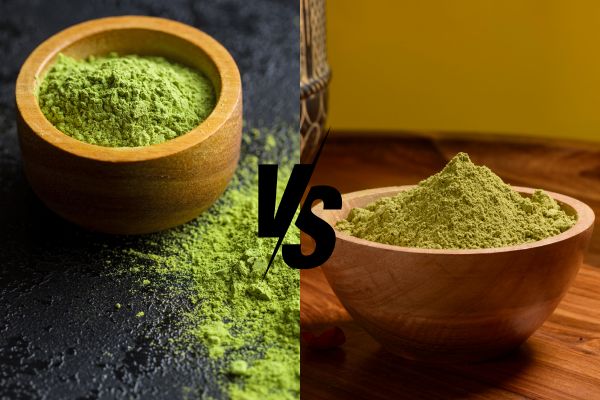
Green tea is a dried loose-leaf tea. When brewed, it creates a pale yellow or greenish liquid with a light, grassy flavor. Sometimes it has a slightly astringent taste but is still refreshing and easy to drink. Whereas, matcha comes in a vibrant green powder. It brings a much richer experience – a more intense, earthy flavor with natural sweetness and a creamy texture. In addition, matcha also has a unique umami flavor that cannot be found in green tea or other types of tea.
Preparation
The preparation methods also differ significantly. With green tea, you steep the leaves in hot water for a few minutes (around 75-80°C or 170-175°F, for 3-5 minutes), then discard them. You drink only the liquid infusion. Besides, matcha powder is whisked into water or other liquids to create a smooth and frothy beverage. When drinking matcha, you consume the entire powdered leaf, giving you access to significantly higher levels of nutrients and antioxidants.

Nutritional comparison: Matcha vs Green tea
When looking at the benefits of matcha from a nutritional perspective, the differences become significantly clear. Since matcha involves consuming the entire tea leaf, it provides significantly higher concentrations of beneficial compounds compared to steeped green tea.
Antioxidants
Both matcha and green tea are rich in catechins, a potential antioxidant. The most powerful catechin is epigallocatechin gallate (EGCG), which helps to fight inflammation and protect cells from damage. According to research, the EGCG content in matcha is up to 137 times higher than that found in China Green Tips green tea, and at least three times higher than the highest recorded levels in other green teas. This makes matcha one of the most potent sources of antioxidants you can consume.
Caffeine
A typical cup of green tea contains about 30 to 50 mg of caffeine, offering a gentle energy boost without overstimulation. Matcha provides about 70 mg of caffeine per serving (made from ½-1 teaspoon of powder), significantly higher than green tea. However, due to its high L-theanine content, an amino acid that promotes calm, matcha can promote alertness without the jitteriness often associated with coffee.

L-Theanine
L-theanine is an amino acid unique to tea, and its concentration is especially high in matcha due to the shading process. This compound promotes a state of calm focus, reducing stress and enhancing mental clarity. Matcha contains more L-theanine than traditional green tea, which makes it ideal for improving mood and concentration.
Chlorophyll and fiber
The shade-growing process used for matcha dramatically increases chlorophyll levels, which is superior to regular green tea. Chlorophyll may help support the body’s natural detoxification. In addition, matcha also provides a small amount of dietary fiber, which is absent in green tea infusions, because you are consuming the full-leaf powder.
Matcha vs Green tea: Which is better?
When comparing the benefits of matcha and green tea, it is difficult to say which one is better. This depends on individual health goals and personal preferences. Based on the effects you are looking for, you can choose the type of tea that best suits your needs.
If you are seeking the highest antioxidant power, matcha is the clear winner. Its abundant EGCG content provides robust protection against oxidative stress and inflammation, supporting overall wellness.
For those looking to enhance energy and mental clarity, matcha again holds an advantage. The unique combination of its caffeine and L-theanine promotes focus, ideal for workdays, study sessions, or creative activities. Many people find that this effect of matcha is superior to regular green tea but more balanced than coffee, without the unpleasant crash that sometimes follows.
On the other hand, if your goal is everyday hydration and you prefer a lighter beverage that you can sip throughout the day, green tea may be the better choice. Its lower caffeine content makes it suitable for multiple cups daily, and it is generally more affordable and easier to prepare. Many people enjoy green tea as a refreshing afternoon drink or as a gentle way to stay hydrated.

Understand the difference between matcha and green tea powder:
Conclusion
Matcha and green tea are refreshing beverages with rich histories and impressive health benefits. Although they originate from the same plant, the differing cultivation methods and preparation styles result in two distinct beverages, each with its own unique benefits. Matcha offers powerful antioxidants, enhanced energy and mental clarity, and unique detoxifying properties. Green tea provides gentle hydration, a refreshing flavor, and a lighter caffeine boost suitable for daily enjoyment. By appreciating the unique properties of each tea, you can enjoy their diverse flavors and support your health in various ways.
About Future Generation Co., Ltd
Future Generation Company Limited is one of the largest tea and beverage suppliers in Vietnam, with 28 years of experience in production and export. FGC is equipped with modern technology from Japan to produce matcha powder, ensuring high-capacity production and uniformity between production batches. Thanks to using automatic systems in production along with high-speed grinding machines, we are able to supply large quantities of matcha to the market, meeting consumer needs.
FGC strives to achieve our mission to become Vietnam’s leading healthy beverage company. Our factories also meet international standards such as ISO, HACCP, etc. In addition, we constantly innovate our machinery system, strengthen production capacity, and increase productivity. If you have any questions about matcha powder, feel free to contact us here:
Contact
Address: R4 building, Office Quarter 02, Royal City, 72A Nguyen Trai St., Thanh Xuan Dist., Hanoi.
Phone: +84 24 73 000 125/ +84 24 73 063 369
Mail: info@vietnam-tea.com
Website: https://oem-fgc.com/
Facebook: https://www.facebook.com/fgcvietnamtea
LinkedIn: https://www.linkedin.com/company/fgcvietnamtea/
Alibaba.com: https://fgcvietnam.trustpass.alibaba.com/
Source:
https://www.healthline.com/nutrition/matcha-green-tea#benefits