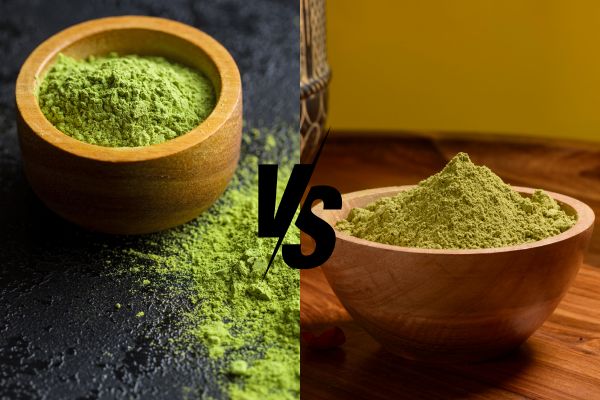
Explore the meaning behind matcha’s color spectrum. This guide helps you choose high-quality matcha based on its shade, origin, and processing.
Contents
Introduction
Matcha is the finely ground powder of specially grown and processed tea leaves. It has been a trendy beverage in recent years due to its benefits and unique flavor. Among the many factors that determine its quality, matcha color is considered the most recognizable indicator. In this guide, we will explore the reasons behind matcha’s varying colors and how you can choose the best matcha for your needs.
Why matcha color matters
The color of matcha is more than just something pretty to look at. It is a reflection of quality, nutritional content, and the care taken during cultivation and processing. For those new to matcha, color is one of the easiest ways to judge its quality and flavor. The brighter and more vibrant the green, the higher the grade and the smoother the taste.
The vibrant green associated with premium matcha primarily comes from chlorophyll, the pigment responsible for photosynthesis in plants. When tea plants (Camellia sinensis) are grown in the proper shade, they produce more chlorophyll, giving the tea its intense green hue. At the same time, shading-grown also increases the concentration of L-theanine, an amino acid that creates its characteristic umami flavor of matcha.
When tea plants are not properly shaded, or when they are made from older leaves, the matcha tends to be more bitter and less vibrant in color. Poor storage and processing can also dull the color. Things like air, light, or heat may oxidize and turn the powder a yellowish or brown color.

The matcha color spectrum
Not all matcha looks the same. In fact, the color range of matcha can range from bright green to dull brown, reflecting certain aspects of the tea’s quality, flavor, and intended use. Here’s what you should know about the main shades of matcha and what each shade means.
Bright green
Matcha that is bright and vibrant green in color is almost the premium grade or ceremonial grade – the highest grade of matcha. It is made from the youngest leaves and is shaded for weeks before picking to boost chlorophyll and amino acid content. This matcha looks almost neon green and feels super soft and smooth.
Bright green matcha is smooth and rich in umami, complemented by a hint of bitterness. It has a soft, creamy mouthfeel and a naturally sweet undertone. The aroma is fresh and grassy, and the powder feels fine and silky when touched. It is perfect for drinking on its own, especially in traditional tea ceremonies.
Dull or yellowish-green
Matcha with a dull or yellowish-green color is often classified as culinary-grade matcha. While still a good product, culinary-grade matcha is made from more mature tea leaves, often harvested later in the season or not shaded properly. These leaves contain more catechins, which contribute to a more bitter taste and a less vibrant green appearance.
For the taste, this type of matcha is more bitter and lacks the characteristic umami. The texture can be slightly coarser, with larger powders than premium matcha. Culinary-grade matcha is best suited to recipes where its bitterness can be offset by other ingredients such as sugar, milk, or fruit. It is often used in baked goods, matcha-flavored snacks, smoothies, and lattes.
Brownish or faded green
If matcha powder is brownish or greyish, it is likely of poor quality or has been improperly stored. This could mean it has oxidized due to improper storage, improper processing, or use of unshaded tea leaves. This discoloration is often associated with reduced flavor, aroma, and nutritional value.
This matcha typically tastes harsh, with a strong bitterness and little to no umami flavor. When blended into beverages, these low-quality matcha produce a muddy-looking liquid, lacking the vibrant color that matches the characteristics of matcha. In general, it is best to avoid low-quality matcha to protect your health.

Factors affecting matcha color
The matcha color that reaches consumers is the result of a meticulous, multi-step process. Each stage from cultivation to packaging requires precision and care to preserve its natural hue and quality. Various factors can influence the final color of matcha, and understanding these will help you make a more informed and confident choice when selecting your matcha.
Growing and harvesting
The green color of matcha comes from the way tea plants are grown. Tea leaves used to produce matcha are cultivated using a unique shading technique that sets them apart from standard green tea. About three to four weeks before harvest, the tea plants are covered with straw mats or black shade nets to block out sunlight. This process limits photosynthesis, forcing the plants to produce more chlorophyll and amino acids like L-theanine. More chlorophyll means the matcha will be a brighter, clearer green.
Moreover, premium matcha powder is from the first flush, meaning the very first harvest of the season which produces the youngest, most tender leaves. Leaves from later harvests are older, more fibrous, and less vibrant. Using these tea leaves to make matcha can result in a duller green color.
Processing methods
Once picked, the leaves are steamed to preserve their natural color. After being gently washed and cleaned, tea leaves go through a steaming process to halt enzymatic oxidation. This step helps prevent them from oxidizing, turning brown, and losing their bright green pigment.
Next, the steamed leaves are rapidly cooled to prevent further damage from residual heat and protect their vibrant green color. Specialized cooling equipment used in this step creates a strong wind and blows the leaves upwards to reduce the moisture. After cooling, the leaves are gently dried at low temperatures to maintain their natural color and nutrients. Stems and veins are then removed, leaving only the soft parts of the leaf, which are then ground into a fine powder.
Grinding is another critical step in matcha production. In the traditional method, matcha is ground slowly with granite mills to avoid generating heat. Excessive heat can destroy the chlorophyll and degrade the flavor and aroma. Today, non-heat grinding technologies using ceramic or stainless steel ball drums are used to increase productivity while still protecting quality. However, if not carefully controlled, grinding can generate excess heat, causing the matcha powder to turn yellow and lose its vibrant green color.

Packaging and storage
Even after production, matcha’s color and quality can be lost if it is not stored properly. Exposure to air, light, moisture, and heat can quickly oxidize the powder, dulling its color and reducing its flavor. This is why premium matcha is often packaged in airtight, tin containers to protect it from environmental damage.
After opening, it is recommended to keep matcha in a cool, dark place, ideally in the refrigerator, and to consume it within one to two months after opening. Always reseal the container tightly to prevent oxidation and moisture intrusion.
How to choose the best matcha based on color
When faced with multiple options, take a good look at the matcha color. Under natural light, high-quality matcha will appear bright and fresh, with a vibrant green hue that shows off a rich concentration of chlorophyll and L-theanine.
Packaging is also an important indicator. Premium matcha is almost always sealed in containers that block light and air, such as tins or vacuum-sealed pouches. If you encounter matcha in clear or loosely sealed packaging, there’s a good chance the product has already begun to degrade.
Besides, reading the label can provide more information about the product. Look for designations like “ceremonial grade,” “first harvest,” or “shade-grown.” These terms often indicate higher quality standards. Also, pay attention to the origin of the matcha. Regions in Japan like Uji, Nishio, and Shizuoka are famous for producing top-notch matcha with excellent flavor.
Finally, consider how you plan to use the matcha. If you are looking to enjoy it traditionally or in lattes, prioritize bright green matcha. If you are using it for baking or blended drinks, culinary-grade matcha with a slightly duller color may be perfectly sufficient and more economical.

Conclusion
Matcha color is influenced by many factors, from how the tea is grown and harvested to how it is steamed, dried, ground, and packaged. Each step requires meticulousness and care to create excellent matcha quality. By understanding these factors, you can confidently choose the matcha that best fits your preferences and intended use, whether for drinking, baking, or blending into beverages.
Read more about matcha powder:
About Future Generation Co., Ltd
Future Generation Company Limited is one of the largest beverage suppliers in Vietnam, with 28 years of experience in production and export. FGC is equipped with advanced homogenization devices and modern machines such as Hotfill PET and TetraPak with UHT technology, ensuring good quality and high-capacity production of mint tea. FGC strives to achieve our mission of becoming Vietnam’s leading healthy beverage company. Our factories also meet international standards such as ISO, HACCP, etc. In addition, we constantly innovate our machinery system, strengthen production capacity, and increase productivity.
FGC also provides Private Label Services. With this service, we can help customers research and formulate beverages, design product label packaging, and create their own brands. This is an ideal solution for small and medium enterprises. Moreover, FGC provides free samples for customers to test before bulk orders. We also ensure delivery as fast as possible.
Contact
Address: R4 building, Office Quarter 02, Royal City, 72A Nguyen Trai St., Thanh Xuan Dist., Hanoi.
Phone: +84 24 73 000 125/ +84 24 73 063 369
Mail: info@vietnam-tea.com
Website: https://oem-fgc.com/
Facebook: https://www.facebook.com/fgcvietnamtea
LinkedIn: https://www.linkedin.com/company/fgcvietnamtea/
Alibaba.com: https://fgcvietnam.trustpass.alibaba.com/
Source:
https://matchadirect.kyoto/blogs/matcha-101/why-is-matcha-color-important-matcha-green-color-is-the-key-to-determining-quality