
Beverage packaging is an important process in the beverage industry, which can affect the quality, aesthetics, and distribution of the product. Comprehensive understanding of packaging will help you in selecting the best packaging for your product. Follow this article for helpful information about some popular beverage packaging types.
Introduction
Among various beverage packaging types, PET bottles, cans, and paper cartons are so popular that you can find products packaged in them in every supermarket. With different materials and production technologies, each type of packaging has its own characteristics that are suitable for some beverages. So which beverage packaging is the best for your beverage?PET bottles beverage packaging
PET is a special type of plastic called Polyethylene terephthalate. It is commonly used to make food and beverage packaging because of its strength, light weight, versatility, and recyclability. PET bottles are safe as they do not react with food and beverage. Not only safe but it is also economical and can be recycled again and again.What are the advantages of PET bottles?
Easy to shape: PET bottles are easily molded into different shapes and sizes. It is also good coloring and low processing cost. Nowadays, these plastic bottles are commonly used with many shapes such as square, round, tall, etc. The capacities are also diverse, typically 100ml, 250ml, 350ml, 500ml, 1 liter, etc. Transparent: This type of bottle is highly transparent which allows customers to see the color and product inside easily. The smooth, glossy surface also makes it easier to print or attach labels and logos. Transparent and shatterproof PET bottles also give off a sense of luxury and exquisiteness.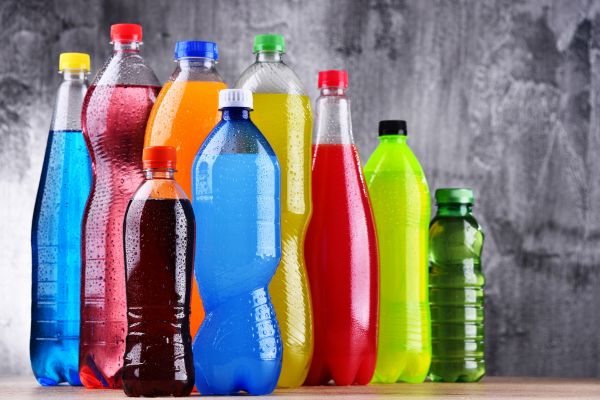
What are the disadvantages of PET bottles?
Not biodegradable: PET is not a biodegradable plastic and can take hundreds of years to decompose. Burning plastic bottles also creates toxic emissions for the environment. Besides, sorting waste plastic for recycling is hard and uneconomical. Low heat resistance: PET bottles are lower in heat resistance compared to other types of beverage packaging. When exposed to too high temperatures, plastic will deform and create carcinogenic and mutagenic substances.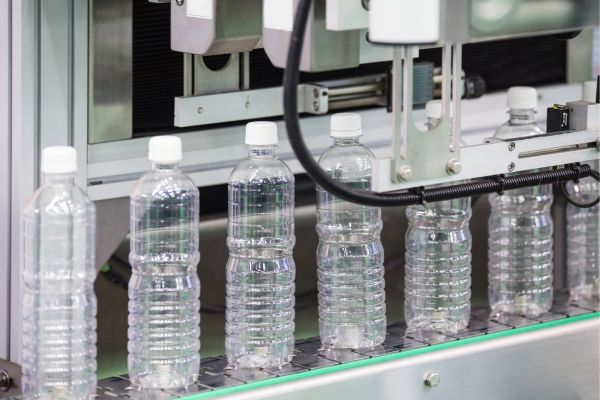
Aluminum Can beverage packaging
Aluminum can, also called can, is a container made of thin metal, which is used to preserve and distribute goods, such as food and soft drinks. Every year, about 500 billion aluminum cans are consumed globally, with a staggering 200 billion of those being specifically utilized by the esteemed beverage industry. This statistic highlights the preference for aluminum cans in beverage packaging.What are the advantages of aluminum cans?
Long shelf life: In general, canned food and beverages possess an extensive lifespan. As aluminum cans are less permeable to air and moisture than other materials, it can protect the content inside. It is also corrosion-resistant and can preserve its integrity for a long time. This makes aluminum can become an excellent beverage packaging. Durability: One advantageous attribute of cans lies in their remarkable durability. Metal cans have greater durability compared to other packaging materials like glass or plastic, resulting in a decreased likelihood of breaking or shattering. Consequently, they are highly suitable for food and beverage packaging.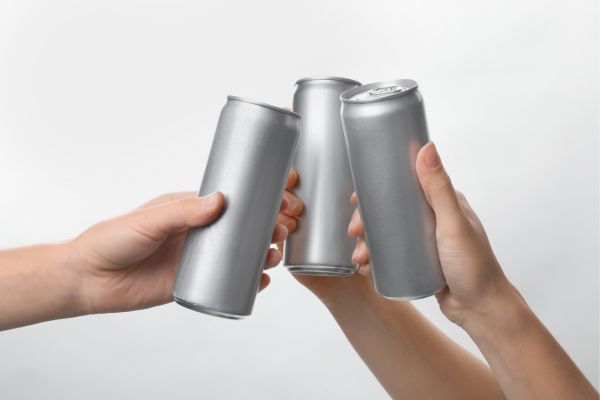
What are the disadvantages of aluminum cans?
Highly acidic products cannot be packaged in aluminum cans. The reason is that materials are corrosive, if used for acidic products may cause a reaction that leads to the destruction of both the product and the can. As a result, cans are not suitable to package acidic products.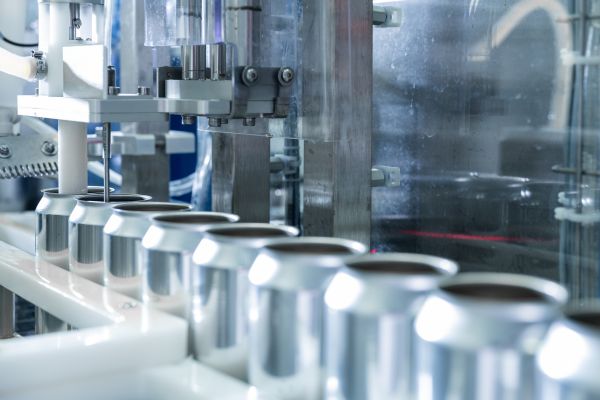
Paper cartons beverage packaging
Along with plastic and metal packaging, paper packaging is also widely used in the beverage industry. Made primarily from paper, this type of beverage packaging is believed to be easily recyclable and has the least impact on the environment. High-standard paper boxes or paper cartons are essential in preserving nutritious beverages, especially milk.What are the advantages of paper cartons beverage packaging?
Better for the environment: The main component of paper is fiber, which is a forestry material in nature. It has higher biodegradation rates and when the paper decomposes, it reverts back to natural materials from our environment. It is also one of the most recyclable materials in the world. That’s why using paper cartons for beverage packaging will be better for the environment. Easy to print: One of the benefits of using paper in terms of enhancing brand visibility is the convenience it offers in printing your logo or any other designs directly onto the material. Beautiful images and harmonious colors on paper packaging will significantly increase appeal to consumers.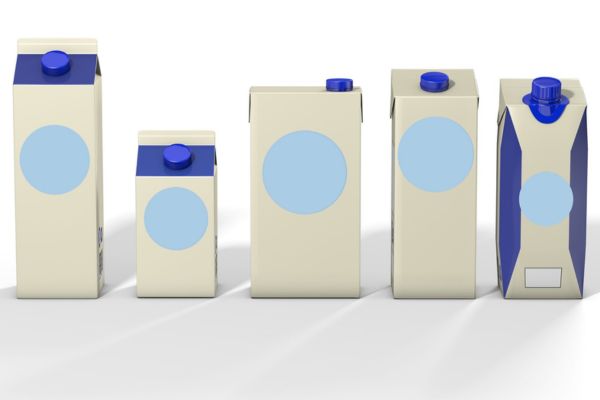
What are the disadvantages of paper cartons?
Paper packaging is not as strong as other materials like plastic, tin, or aluminum. The paper box or carton is easily torn and impacted during long-distance transportation, loading, and unloading, leading the outside shell of the box to become warped and deformed. Because it is made of paper, this sort of packaging is particularly susceptible to water, causing inconvenience if transported in rainy or windy conditions, and it is not adaptable during transportation. Therefore, if you use paper cartons for beverage packaging, you must be more careful when transporting them. Read more about custom tea labels:
Custom Tea Labels: Elevating Your Brand and Product