
Gen Z tea and coffee culture is changing how the world drinks. More than just relaxation, they look for creative mixes and unique experiences. Let’s discover their impact in this article.
Introduction
Every generation leaves its mark on global beverage culture, and Gen Z is no exception. Born and raised in a time of rapid technological development and the expansion of social media and online shopping, this generation is influenced by many factors that shape their needs and preferences. According to Euromonitor International (2025), Gen Z’s expectations are reshaping product innovation, brands, and even the emotional meaning behind everyday drinks. This article highlights key insights into Gen Z tea and coffee culture.
Gen Z tea and coffee consumption
Born between 1997 and 2010, Gen Z is the second-youngest generation, after Millennials and before Generation Alpha. In the U.S., this generation accounts for more than 20% of the population in 2024, according to Statista. Gen Z is becoming a transformative force in the economy, particularly in the coffee and tea industry.
Generation Z’s purchasing power is expected to grow as they mature and enter the workforce in larger numbers. This is particularly evident in emerging markets like India, where the median gross income of those aged 20-29 is expected to grow fastest between 2024 and 2029, at a compound annual growth rate (CAGR) of 5%.
In 2024, Euromonitor reported that retail brewed coffee consumption reached 127.7 litres per capita in Europe and 98.5 litres in North America. Gen Z makes a significant contribution to this number as they prefer cold brew, RTD coffee, and functional blends over traditional hot coffee. Besides, tea remains a popular beverage among young consumers in Asia and beyond. In Vietnam, 78% of Gen Z drink RTD tea weekly, according to InsightAsia.
Tea or coffee may have been a social habit or part of a daily routine for earlier generations. For Gen Z, their beverage choices are about more than just caffeine; they consider stories, emotions, and new experiences. And that mindset is reshaping the global coffee and tea culture today.
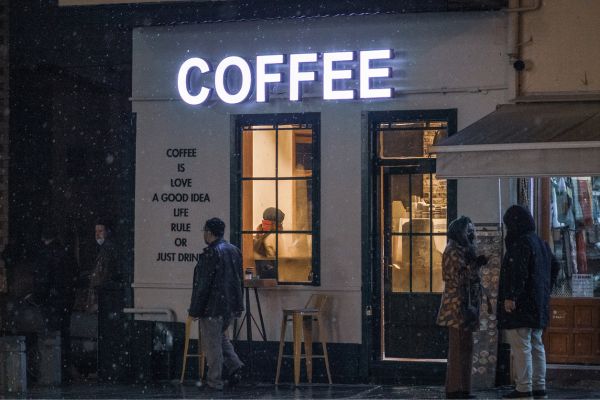
How Gen Z redefines coffee and tea culture?
Gen Z is a young generation with rapidly changing tastes and interests. Their approach to tea and coffee is shaping a whole new culture worth exploring. Let’s take a closer look at Gen Z tea and coffee culture.
Distinct emerging preferences and experiences
Unlike previous generations, Gen Z doesn’t just see coffee and tea as a beverage, they see them as part of their daily lifestyle. They prefer to enjoy freshly brewed drinks in cozy cafes that are quiet to focus and relax, or suitable for community gatherings. Limited-edition or seasonal drinks easily capture Gen Z’s attention. Creative drinks, such as matcha coconut, can generate excitement and frequently go viral on social media.
Gen Z consumers are eager to try new products. Many new products, flavors, and formats have been introduced in recent years to meet the demand of young consumers. They are also open to exploring global flavors but favor brands that represent authentic stories and cultural connections. That’s why Japanese matcha and many other Asian flavors are trending.
With Gen Z, they are less conscious about how much caffeine they consume. They are more likely to try flavored coffee, mushroom coffee, or choose cold brew because it is less acidic and easier on their stomachs. If older generations mainly drink traditional hot coffee or tea in the morning, Gen Z also consumes cold or iced versions throughout the day, more in the afternoon.
Health, functionality, and mindful consumption
Gen Z wants functional benefits in their tea and coffee. They look for drinks with adaptogens, ingredients that boost focus without jitters, collagen for healthy skin, or probiotics for digestion. These beneficial beverages can be part of their wellness routine. Additionally, they also read labels carefully to know exactly what is in the drink. What ingredients are used? Are there any artificial additives? How much sugar is there? They are increasingly looking for products that use natural ingredients, without preservatives or added chemical ingredients.
Gen Z is also a mindful consumer. Instead of excessive caffeine intake, they seek balance: less sugar, plant-based milk alternatives, and natural ingredients. This need is reflected in the growth of functional teas, such as those made to improve immunity, concentration, or relaxation. They seek stimulation in addition to their mental and physical health goals. This shapes Gen Z tea and coffee culture now.
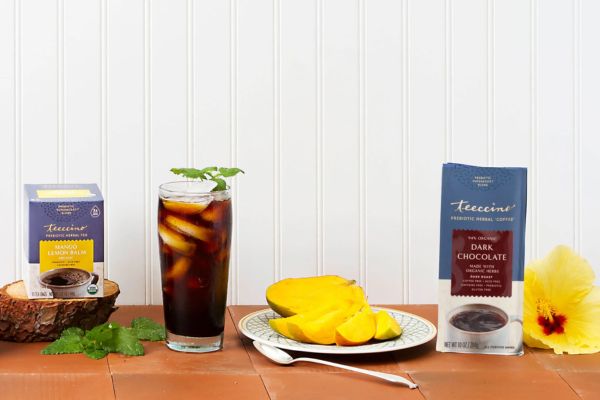
Social media platforms remain key to connecting with Gen Z
Social platforms such as TikTok, Instagram are central to Gen Z tea and coffee culture, where they discover and share their favorite beverages. Viral trends like “whipped coffee (dalgona coffee)” and “bubble tea layering” began online before spreading to cafes around the world.
Euromonitor notes that digital influence is now a primary factor in how this generation interacts with brands. Gen Z relies on influencer content and brand accounts for product information, with authenticity and transparency being essential. Instead of watching an advertisement, Gen Z would rather hear about a drink from friends or influencers. They trust honest reviews and real experiences. Brands that encourage customers to share their experiences and build genuine communities will connect better with this generation.
What brands can learn from Gen Z coffee and tea culture
To connect with Gen Z, brands must go beyond flavor and packaging. This generation wants drinks that are real, functional, and bring a unique experience. They care about how a product tastes, what it does for their health, and whether it fits their lifestyle. Gen Z also looks for honest and clear information before buying, so transparency is very important.
Authenticity over advertising
Generation Z is more holistic in their evaluation of products and brands. They are quick to recognize and reject advertisements that seem exaggerated or unrealistic. Instead, they respond to authentic stories, such as showing where the ingredients come from, how the product is made, and who is behind it. A coffee or tea brand that emphasizes traceability or an inspiring story will be more appealing than one that only focuses on slogans. For this generation, authenticity builds trust faster than any advertising.
Health and functional innovation
Health consciousness drives many of Gen Z’s beverage choices. They seek beverages that support mental clarity, mood, or well-being, not just caffeine. That’s why they increasingly look for products that include functional ingredients like adaptogens, collagen, probiotics, or natural energy boosters. Low- or no-sugar options and clean labeling are also popular. According to Euromonitor (2025), “functionality and mood enhancement” are the top drivers of Gen Z beverage innovation, driving brands toward blended coffee-teas and health-focused RTDs.
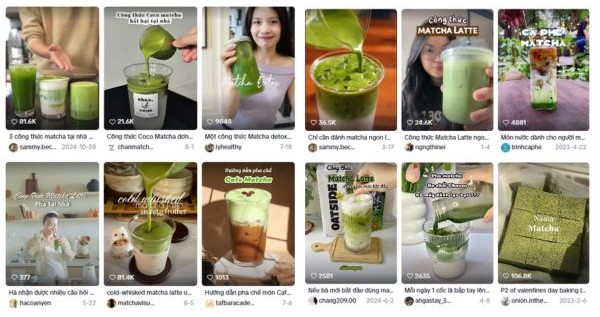
Be active on social media
Generation Z lives in the digital world, where their discovery, shopping, and brand loyalty all happen online. According to Sprout Social (2025), 75% of Gen Z discover new beverage brands on social media before seeing them in stores. To reach this audience, brands should focus on engaging content on platforms like TikTok, Instagram Reels, and YouTube Shorts, where short videos can highlight creative recipes. Interactive campaigns, such as hashtag challenges, recipe contests, or AR filters, can turn simple tea or coffee moments into fun, shareable experiences. In addition, mobile-friendly shopping platforms and fast delivery options are essential to match Gen Z’s expectations for convenience and instant access.
Personalization and novelty
Generation Z values individuality and creativity. They love experimenting with new flavors, limited editions, or products that allow for customization. Limited editions or seasonal themes can help build anticipation and FOMO. This generation is not just buying a beverage; they are buying an experience they can share. Brands that offer novelty while remaining authentic will have an easier time capturing their attention.
Explore other tea flavor trend:
About Future Generation Co., Ltd
Future Generation Company Limited is one of the largest tea, coffee and beverage suppliers in Vietnam, with 29 years of experience in production and export. FGC is equipped with modern technology to produce coffee, ensuring high-capacity production and uniformity between production batches. Thanks to using automatic systems in production along with advanced processing machines, we are able to supply large quantities of tea and beverages to the market, meeting consumer needs.
FGC strives to achieve our mission to become Vietnam’s leading healthy beverage company. Our factories also meet international standards such as ISO, HACCP, etc. In addition, we constantly innovate our machinery system, strengthen production capacity, and increase productivity. If you have any questions about our products, feel free to contact us here:
Contact
Address: R4 building, Office Quarter 02, Royal City, 72A Nguyen Trai St., Thanh Xuan Ward, Hanoi.
Phone: +84 24 73 000 125/ +84 24 73 063 369
Mail: info@vietnam-tea.com
Website: https://oem-fgc.com/
Facebook: https://www.facebook.com/fgcvietnamtea
LinkedIn: https://www.linkedin.com/company/fgcvietnamtea/
Alibaba.com: https://fgcvietnam.trustpass.alibaba.com/
Source:
https://www.euromonitor.com/article/gen-z-redefines-coffee-and-tea-culture
https://www.foodnavigator-usa.com/Article/2025/04/03/gen-z-coffee-and-tea-trends/
https://www.euromonitor.com/a-perfect-blend-how-gen-z-is-reshaping-the-coffee-and-tea-market%2Freport