
Let’s explore the rise of plant-based beverages, key trends, consumer preferences, and industry challenges in this article.
Introduction
The global beverages industry is undergoing a profound movement as consumers increasingly look for products that align with a healthy lifestyle and environmental responsibility. One of the notable points in this transformation is the rise of plant-based and natural ingredients in the beverage industry. In this article, let’s decode this trend and see how brands can capitalize on it.
Overview of the plant-based beverage market
Plant-based beverages refer to drinks derived from plant sources, such as nuts, grains, and seeds. Plant-based drinks are becoming more popular among consumers in the health and functional category, drawing much attention to their consumption in recent years. To meet the increasing demand of customers, the plant-based beverage market is now becoming diverse, with different types, flavors, and compositions. With the diverse flavors, textures, and nutrients, consumers have a wide range of options to fit their diets and personal preferences.
According to Mordointelligence, the plant-based food and beverage market is forecasted to reach more than USD 95 million in 2026. In 2025, plant-based dairy was the market leader, with over 37% market share of revenue. In terms of ingredients, soy accounted for the most used one, with about 39% of market share. Meanwhile, oat-based products were reported to grow the fastest. Besides, off-trade revenue still dominated, at about 71%. By geography, it was recorded that the Asia-Pacific region made up more than 35% of revenue last year.
When it comes to plant-based beverages, the most popular category is plant milk. It is also the segment with the fastest growth. The demand and consumption of dairy alternatives have been remarkable recently. It is driven by the health trends and increasing awareness around animal welfare and sustainability.
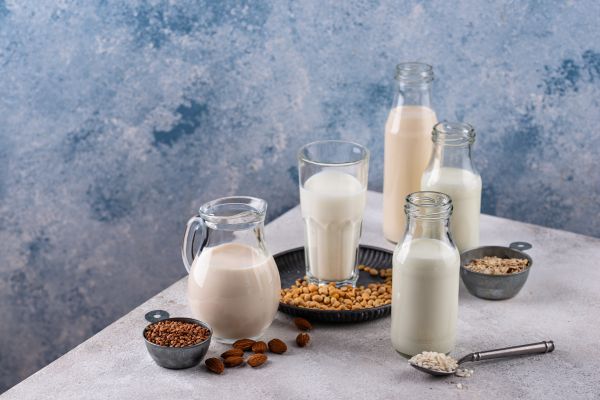
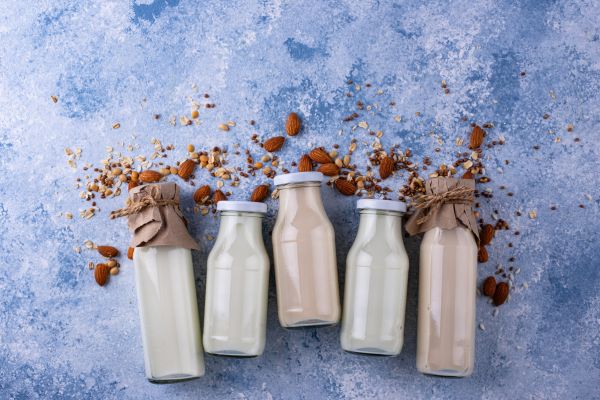
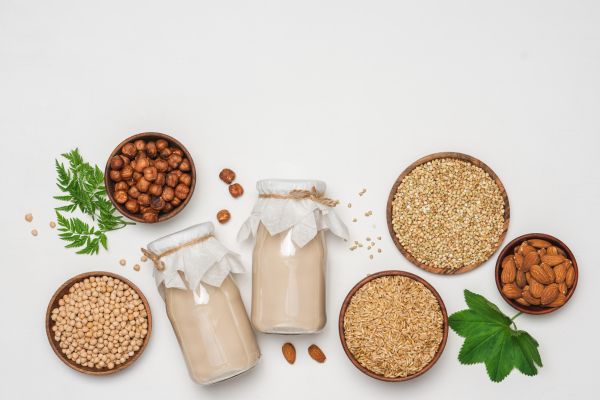
Plant milks can be made from many different sources, such as almond, rice, oat, cashew, coconut, and soy. Thanks to that, plant milk products are diverse in flavors, ingredients, and nutrients, which makes it easier to access different customer groups. They are believed to be healthier alternatives to cow milk, which usually has high calories, fat, and cholesterol. In addition, there are many digestive support and protein drinks that are shifting to use plant-based ingredients.
Why are plant-based beverages becoming popular?
Consumers are getting more health-conscious
Social media and the Internet have greatly influenced consumer awareness of nutrition and health, which allows them to make better decisions for themselves. As a result, they are now more conscious of the health and environmental issues related to food and beverages derived from animals, leading to the rising demand for plant-based options.
The rising demand for milk alternatives
The increasing awareness of lactose intolerance and food allergies also contributes to the consumption of plant-based beverages. Plant-based drinks are great options for consumers with lactose intolerance and seeking a milk alternative. Besides, they are also proven to be advantageous for those with cow milk allergies and hypercholesterolemia.
Rising vegan and flexitarian populations
According to the USDA Foreign Agricultural Service, the rising population of vegan and flexitarian consumers is shaping the market expansion. This leads to a shift in dietary preferences and lifestyle choices. Those customer groups are usually ready to pay even higher prices for quality products, opening more chances for plant-based drink manufacturers.
Consumers are getting environmentally conscious
One of the key drivers of the popularity of plant-based beverages is their sustainability, especially for customers who are environmentally conscious. Due to concerns about animal suffering, greenhouse gas emissions, land and water use, and other environmental effects of dairy milk and other animal-based products production, consumers are looking for other solutions. Generally, plant-based drink production is believed to use fewer resources and produce fewer emissions, making it a more environmentally friendly choice.
Plant-based drinks offer numerous nutritional benefits
Plant-based beverages can bring many essential nutrients, such as vitamins, minerals, healthy fats, and fiber. Besides, they also offer supplemental proteins, calcium, and many other compounds. The specific nutrients are varied depending on the varieties and the ingredients.
Plant-based trends in the beverage industry
Botanical and herbal blends
Beverages made from herbal ingredients, including herbs, flowers, and spices, are getting more and more popular. The most common botanical materials are hibiscus, ginger, chamomile, and lavender, which are favored for their antioxidant and calming content. These ingredients are also familiar, easy-to-find, and flavorful.

Plant-based protein drinks
The consumption of plant-based protein drinks is increasing along with the rising demand for convenient sources of nutrition among consumers. Some popular plant-based proteins are pea, pumpkin seed, or rice protein. Those beverages mainly focus on those seeking clean, nutrient-rich products that support their weight loss process.
Plant-based energy sources
Consumers today are shifting from synthetic energy sources to natural ones, including those from plants. Some ingredients, such as yerba mate, tea leaves, and matcha, offer a natural caffeine content, along with many antioxidants and other healthy compounds. Therefore, they can boost energy, help you stay focused, and be beneficial to your overall health.
Plant-based digestive drinks
The demand for digestive support beverages is rising worldwide. In order to replace traditional sugary drinks, brands have researched and developed new-age sodas that are added with prebiotic fiber, like inulin or fruit-based fibers. Besides, fermented tea drinks are getting popular and famous for their living probiotics. In particular, kombucha drinks are becoming one of the initial parts of many people’s diet.
The challenges associated with plant-based beverages
If your brand is looking to enter the plant-based beverage market, understanding the market challenges will help you make better preparations.
Flavor changes
One of the greatest obstacles to widespread adoption of plant-based alternatives is the difference in taste, flavor, and texture between them and original animal products. Consumers often look for alternatives that have similar characteristics to traditional products. Therefore, formulation research and development is a crucial step that brands should focus on to enhance. It can be challenging for many small businesses, as the complexity of using plant-based materials to replicate animal protein structure might require advanced processing techniques.
Higher prices
Plant-based beverages often cost more than traditional products. This is also a barrier to their widespread market acceptance, particularly during economic downturns. As consumers tend to tighten their spending, brands will need to invest more in product quality and marketing activities to attract customers. There are several reasons leading to these price gaps, such as ingredient prices, complex processing methods, and lower production volume. Therefore, it is important to control ingredient costs and expand the production quantity to balance the final prices.
Conclusion
Plant-based beverages are no longer niche alternatives. They are growing strongly and becoming a strategic product line for beverage brands. Driven by rising health awareness and sustainability concerns, consumers are actively choosing better products. However, manufacturers still need to consider carefully the difficulties they might face when entering this market to make the most suitable plans for their businesses.
About Future Generation Co.,Ltd
Future Generation Company Limited is one of the largest beverage suppliers in Vietnam, with 30 years of experience in production and export. FGC is equipped with modern machines, such as Hotfill PET and TetraPak, ensuring high-capacity production. We strive to achieve our mission to become Vietnam’s leading healthy beverage company. Our factories also meet international standards, such as FSSC, ISO, HACCP, etc. In addition, we constantly innovate our machinery system, strengthen production capacity, and increase productivity.
FGC also provides Private Label Services. With this service, we can help customers to research and formulate beverages, design product labels and packaging, and create their own brands. This is an ideal solution for small and medium enterprises. Moreover, FGC provides free samples for customers to test before bulk orders. We also ensure delivery as fast as possible.
Contact
Address: R4 building, Office Quarter 02, Royal City, 72A Nguyen Trai St., Thanh Xuan Ward, Hanoi.
Phone: +84 24 73 000 125/ +84 24 73 063 369
Mail: info@vietnam-tea.com
Website: https://vietnam-tea.com/ – https://oem-fgc.com/
Facebook: https://www.facebook.com/fgcvietnamtea
LinkedIn: https://www.linkedin.com/company/fgcvietnamtea/
Alibaba: https://fgcvietnam.m.trustpass.alibaba.com/
Sources: