
Phình Hồ Ancient Tea is a rare tea made from centuries-old tea trees in the high mountains of northern Vietnam. This article explores why its natural growing conditions give it a nutritionally superior profile.
Introduction
In the misty mountains of northern Vietnam, ancient tea trees have stood for centuries, their twisted roots reaching deep into mineral-rich soil. Closely woven into the lives of local ethnic communities, these trees are more than a source of income – they carry the culture, heritage, and spirit of the region. Each cup brewed from their leaves delivers a distinctive, unforgettable flavor found nowhere else.
1. Phình Hồ ancient tea
From the high mountains of Northern Vietnam
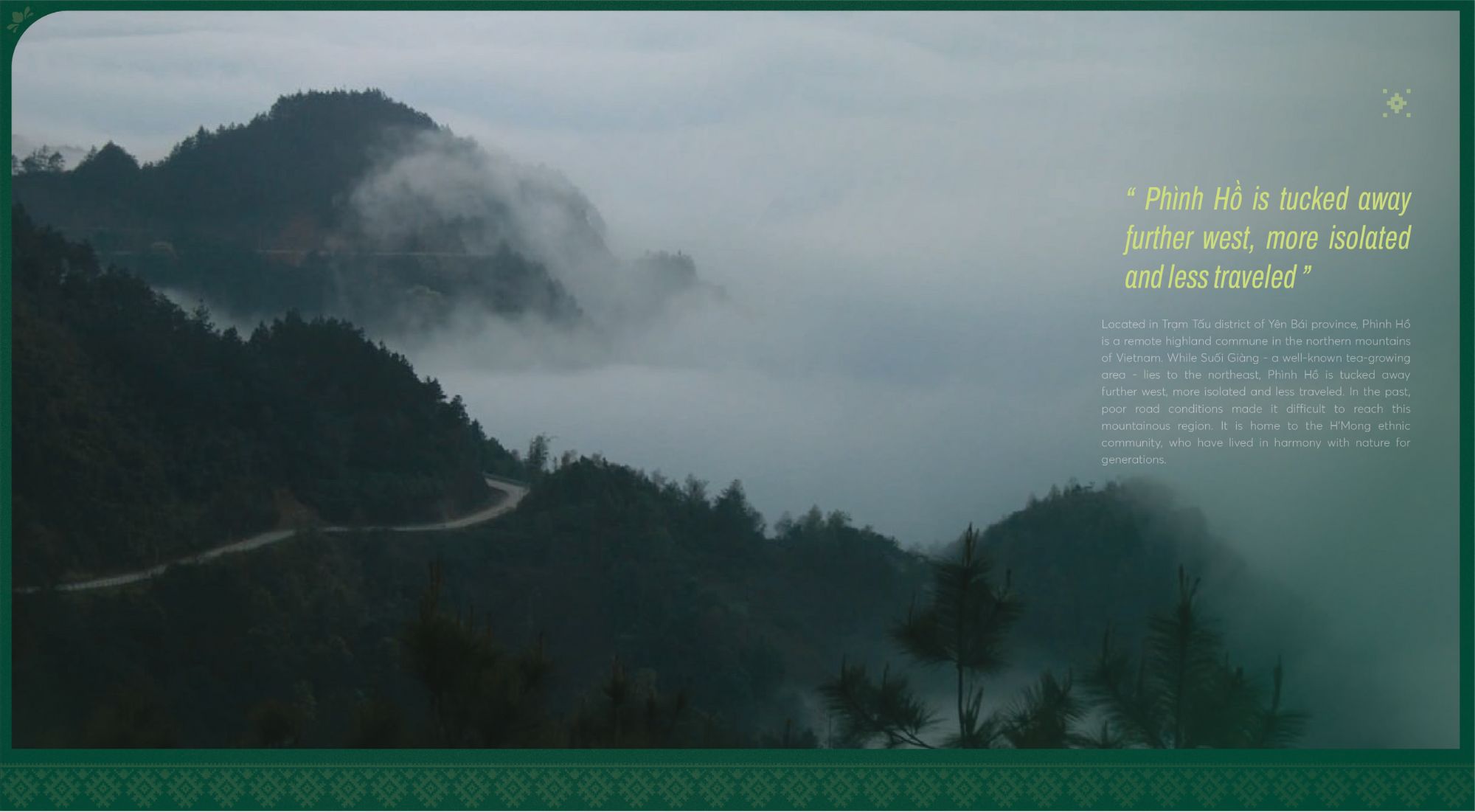
Phình Hồ is a mountainous region in Vietnam, which is recognized as a vital source of Shan Tuyết ancient tea, one of Vietnam’s most highly prized specialty tea varieties. Located in Trạm Tấu district of Yên Bái province, Phình Hồ is a remote highland commune in the northern mountains of Vietnam. While Suối Giàng – a well-known tea-growing area – lies to the northeast, Phình Hồ is tucked away further west, more isolated and less traveled.
Located at high altitude, from 1,100 to 1,300 meters above sea level, the area is frequently covered in mist, with large temperature differences between day and night. These conditions cause tea plants to grow slowly but allow them to absorb nutrients deeply and develop rich, complex flavors. Additionally, the soil here is rich in kaolinite and iron, providing the tea leaves with a naturally high concentration of solutes and amino acids.
Hundreds-year-old tea trees
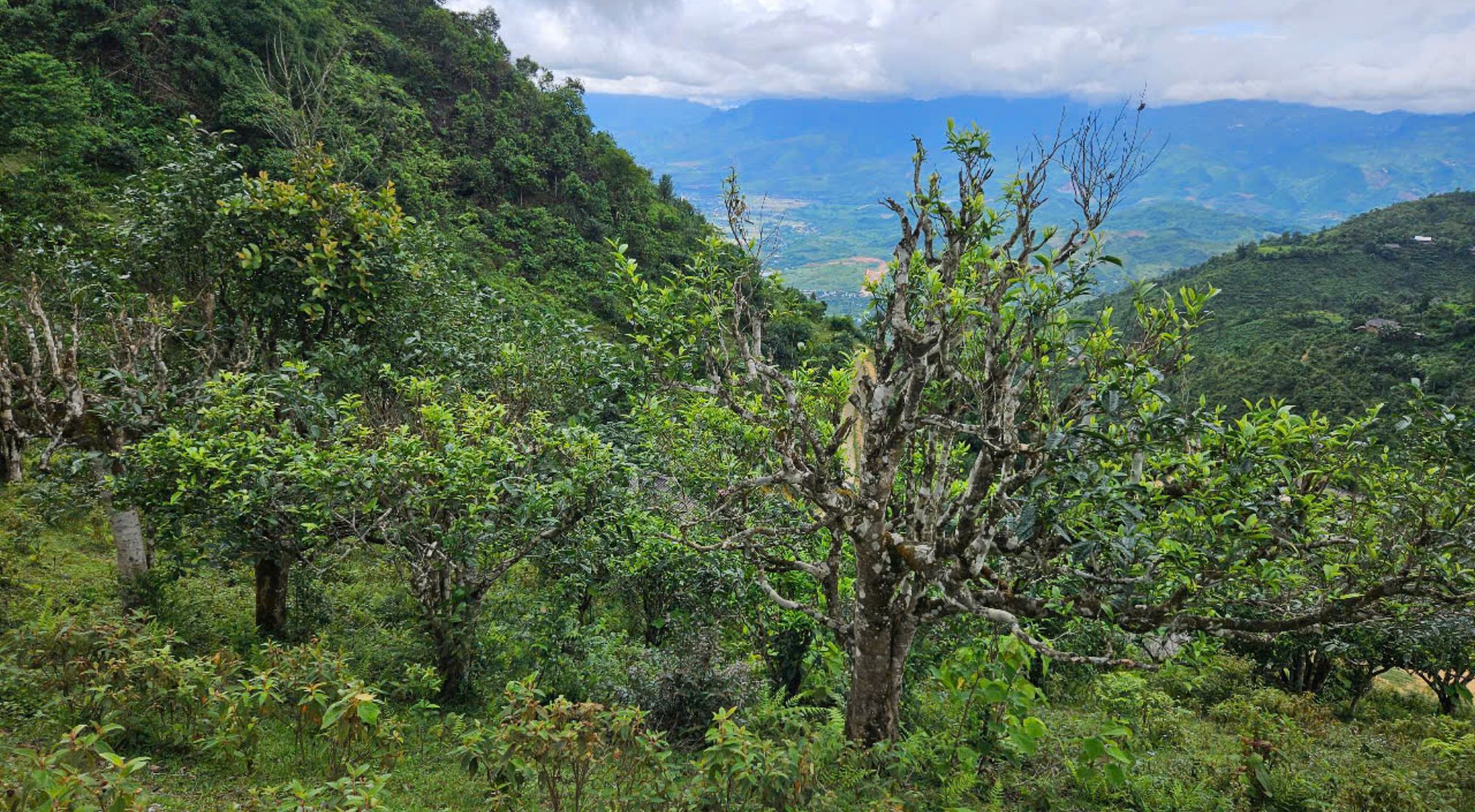
What truly distinguishes Phình Hồ Ancient Tea is the age of the trees themselves. These are ancient tea trees, some standing for decades or even centuries, far removed from the young bushes typical of modern tea plantations. According to the latest statistics, Phinh Ho has about 100 hectares of ancient Shan tea trees that are over 100 years old.
Over time, ancient trees develop extensive root systems that reach deep into the soil. These roots absorb nutrients from different soil layers, giving the trees access to more minerals than shallow-rooted tea bushes. This long relationship between the tree and the land helps create leaves with richer and more complex natural nutrients.
Nurtured by Nature
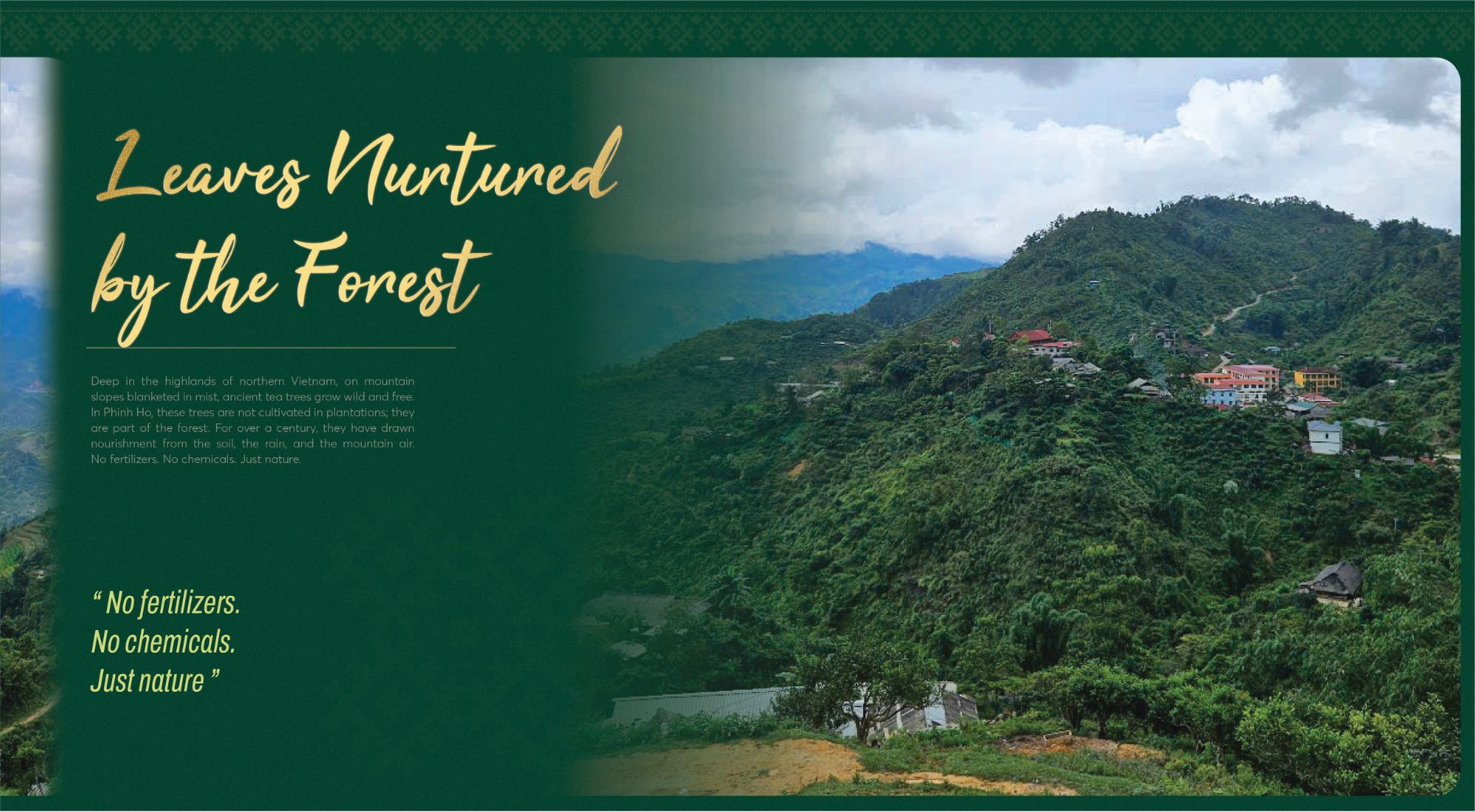
In Phinh Ho, these trees are not cultivated in plantations; they are part of the forest. For over a century, they have drawn nourishment from the soil, the rain, and the mountain air. No fertilizers. No chemicals. Just nature.
Initially, these tea trees were not planted for harvest, but to protect the land and prevent erosion. They grew freely, like wild forest trees. Only later did the Hmong people, who had lived in this highland region, come to recognize the value of these ancient trees and begin crafting their leaves into the fragrant, distinctive teas we cherish today. Till now, the Phinh Ho tea-growing area is a rare gift from nature, untouched by modern farming.
2. Superior nutritional content: The scientific evidence
Thanks to the natural growing conditions, ancient tea has a higher nutrient content than industrially grown tea. It consists of a high amount of polyphenols and catechins, powerful antioxidants that help prevent aging, improve heart health, and reduce the risk of cancer. Growing in a wild, natural environment, ancient tea also contains numerous minerals, including potassium, calcium, and magnesium. Besides, L-theanine compounds in ancient tea can help reduce stress, improve concentration, and promote relaxation.
Naturally rich in antioxidants
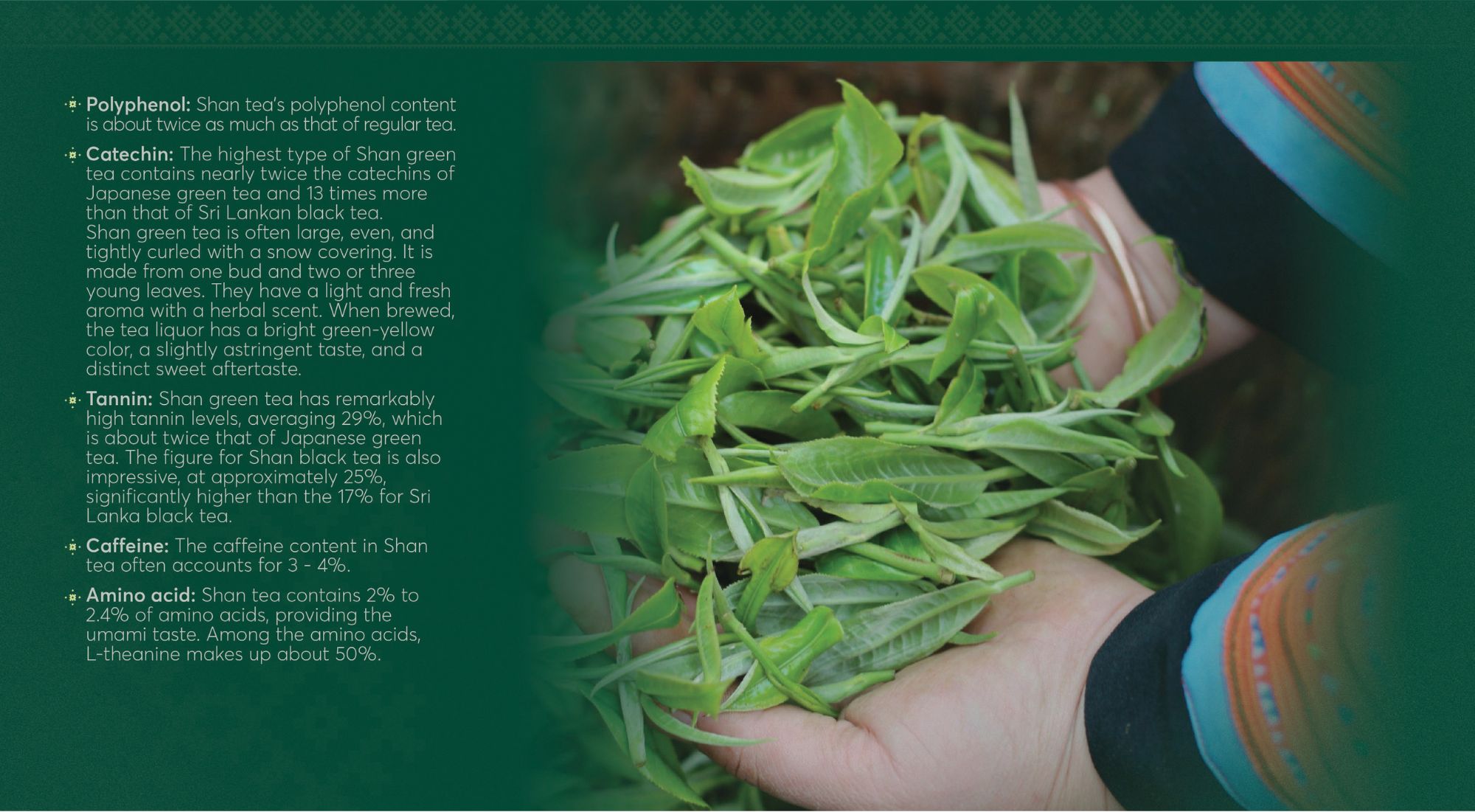
The ancient tea is rich in Polyphenols, powerful antioxidants that help neutralize free radicals. Polyphenol content in Shan tea is about twice as much as that of regular tea. The highest type of Shan green tea contains nearly twice the catechins of Japanese green tea and 13 times more than that of Sri Lankan black tea.
Furthermore, Shan green tea has remarkably high tannin levels, averaging 29%, which is about twice that of Japanese green tea. The figure for Shan black tea is also impressive, at approximately 25%, significantly higher than the 17% for Sri Lanka black tea.
Amino acids that shape both nutrition and taste
Amino acids play an important role in both the health benefits and taste of tea. One of the most valued is L-theanine, which helps create a calming effect and gives tea its smooth, rich, and slightly savory flavor. Shan tea contains 2% to 2.4% of amino acids, providing the umami taste. Among the amino acids, L-theanine makes up about 50%. L-Theanine is a significant draw for the cognitive and focus beverage market. It works synergistically with caffeine to induce a state of “calm alertness,” promoting concentration without the typical jitters associated with synthetic caffeine.
Balanced and natural caffeine
Studies comparing ancient and normal tea leaves indicate that ancient teas may contain slightly higher caffeine levels, often around 42-43 mg per gram, compared with approximately 40 mg per gram in younger plantation teas. However, the experience of caffeine in ancient tea is notably smoother. Higher levels of amino acids and polyphenols help modulate caffeine release, resulting in steady energy rather than abrupt stimulation. This balance makes Phình Hồ Ancient Tea particularly appealing to those who enjoy alertness without restlessness.
3. Why Phình Hồ tea is nutritionally superior?
The deep-rooted, slow-growing ancient trees give the tea its unique characteristics and exceptional taste and flavor.
Deep roots in the land
Ancient tea leaves are harvested from large and old trees, which grow in challenging and rocky conditions. Therefore, their roots must grow deep into the ground to absorb nutrients, leading to unique flavors and a more diverse nutrient profile in their tea leaves. The older the tree, the more valuable the tea. Additionally, tea growing areas are located far from the industrial zones, and they are not affected by air and water pollution. During the production process, people do not use pesticides or inorganic fertilizers. Pruning trees is also limited, so the nutrient accumulation period is longer.
Slow growth builds higher nutrient density
The high altitude, persistent mist, and cooler climate in Phình Hồ make the ancient tea trees grow slowly. This allows the tree to absorb more nutrients from the soil, storing higher levels of compounds. Slow growth supports higher densities of antioxidants and amino acids per leaf, enhancing both the nutritional and flavor profile of ancient tea.
Traditional processing that preserves nutrients
Phình Hồ Ancient Tea is typically processed using traditional methods that emphasize care over speed. Every leaf is handpicked by Hmong villagers. These leaves are processed using traditional methods to preserve antioxidants and amino acids. These methods avoid excessive heat or mechanical stress, which can degrade sensitive compounds.
By prioritizing preservation over speed, traditional processing ensures that the nutritional advantages gained in the farm are carried through to the cup.
Conclusion
The exceptional nutritional value of Phình Hồ Ancient Tea is shaped by time, soil, and meticulous care. Ancient tea trees, the high-altitude mountain ecosystem, and traditional cultivation methods combine to create a tea rich in antioxidants, amino acids, minerals, and with a naturally balanced caffeine content. For those seeking a tea that embodies both health and heritage, Phình Hồ Ancient Tea is definitely worth trying.
About Future Generation Co., Ltd
Future Generation Company Limited is one of the largest tea, coffee, and beverage suppliers in Vietnam, with 29 years of experience in production and export. FGC is equipped with modern technology to produce tea products, ensuring high-capacity production and uniformity between production batches. Thanks to using automatic systems in production along with advanced processing machines, we are able to supply large quantities of tea and beverages to the market, meeting consumer needs.
FGC strives to achieve our mission to become Vietnam’s leading healthy beverage company. Our factories also meet international standards such as ISO, HACCP, etc. In addition, we constantly innovate our machinery system, strengthen production capacity, and increase productivity. If you have any questions about our products, feel free to contact us here:
Contact
Address: R4 building, Office Quarter 02, Royal City, 72A Nguyen Trai St., Thanh Xuan Ward, Hanoi.
Phone: +84 24 73 000 125/ +84 24 73 063 369
Mail: info@vietnam-tea.com
Website: https://vietnam-tea.com/
Facebook: https://www.facebook.com/fgcvietnamtea
LinkedIn: https://www.linkedin.com/company/fgcvietnamtea/
Alibaba.com: https://fgcvietnam.trustpass.alibaba.com/