
Looking for the best herbal teas for health? Explore top picks like chamomile, peppermint, ginger, hibiscus, and rooibos.
Introduction
Herbal tea is a popular alternative to mineral water because it helps keep the body hydrated and provides additional nutrients. Unlike green or black tea, herbal tea is naturally caffeine-free and is made from flowers, herbs, and other natural ingredients that offer various health benefits. If you want to boost your daily wellness routine, these are some of the best herbal teas for a healthy lifestyle.
Chamomile Tea – For relaxation & better sleep
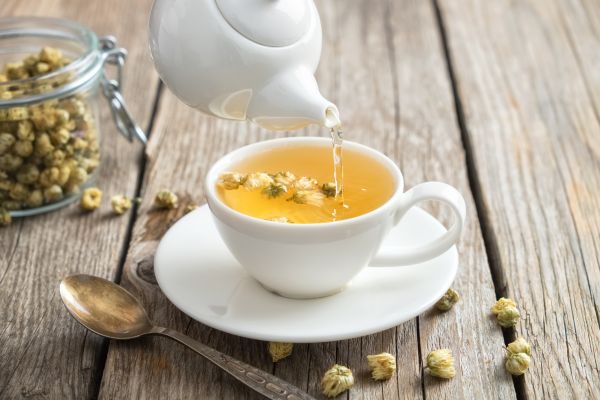
For thousands of years, chamomile has been used as a traditional medicine to calm anxiety and settle stomachs in ancient Egypt, Rome, and Greece. Chamomile tea is a herbal infusion made from the dried flowers of the chamomile plant, not the leaves of the true tea plant (Camellia sinensis). It has a natural, floral flavor with a mellow sweetness and apple-like fragrance.
Benefits of chamomile tea
As one of the best herbal teas, chamomile tea is widely known as a natural sedative. Its calming effect is largely attributed to an antioxidant called apigenin, which binds to specific receptors in the brain that promote sleepiness and reduce anxiety. In addition, this tea also provides many benefits for health:
- Reduces stress and anxiety: Regularly sipping chamomile tea can help lower cortisol levels (the stress hormone) and promote feelings of relaxation.
- Improves sleep quality: Clinical studies show that chamomile can significantly improve sleep, especially for people with insomnia or anxiety-related sleep issues.
- Supports digestion: Chamomile also has mild anti-inflammatory and antispasmodic properties that can soothe the digestive system and ease an upset stomach.
- Promotes skin health: Its anti-inflammatory properties extend to skin health, helping to calm skin irritations when used topically or consumed regularly.
How to enjoy
Drink a warm cup of chamomile tea about 30 minutes before bedtime. You can add a touch of honey or lemon to enhance its soothing effects.
Peppermint Tea – For digestion & gut health
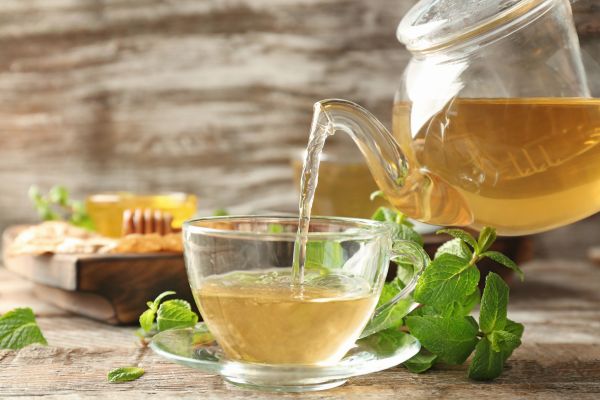
Peppermint tea ranks high among the best herbal teas for digestive health. It is a caffeine-free herbal infusion made by steeping peppermint leaves in hot water. Peppermint tea offers a refreshing minty flavor with a slight sweetness. It is a popular choice known for its relaxation, digestive, and calming benefits.
The secret to peppermint tea’s digestive benefits lies in menthol, the main active compound of this plant. Menthol relaxes the muscles of the digestive tract, helping to reduce spasms and promote smoother digestion. Although the menthol content in peppermint tea is less than that in peppermint oil, it is still effective.
Benefits of peppermint tea
- Relieve indigestion and bloating: Peppermint tea is often recommended after meals to prevent indigestion and relieve bloating by helping gas pass more easily through the digestive tract.
- Soothes irritable bowel syndrome (IBS) symptoms: Multiple studies have found that peppermint oil can significantly reduce IBS symptoms, and peppermint tea may offer similar soothing effects.
- Reduces nausea: Its cooling effect can help relieve nausea, whether caused by motion sickness, pregnancy, or an upset stomach.
- Freshens breath: Peppermint has natural antimicrobial properties which help freshen breath and promote oral health.
How to enjoy
Sip on a cup of peppermint tea after a heavy meal or whenever you feel digestive discomfort. It’s naturally caffeine-free, making it perfect for any time of the day.
Ginger Tea – For immunity & anti-inflammation
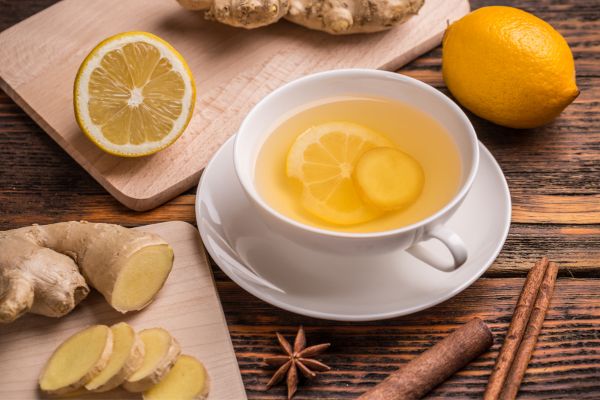
Ginger tea, with its spicy kick and warming sensation, is considered No.1 among the best herbal teas for immunity, especially during the cold season. It has a long history as a traditional herbal medicine in East Asia, South Asia, Southeast Asia, and West Asia. Ginger tea is prepared by steeping fresh ginger root and dried ginger, or dissolving instant ginger powder in hot water.
The benefits of ginger tea stem from its natural compounds like gingerol, shogaol, and zingerone, which have powerful antioxidant, anti-inflammatory, and antimicrobial effects. Due to the potential compound, ginger tea supports immunity, digestion, and prevents various health issues.
Benefits of ginger tea
- Strengthens the immune system: Ginger boosts the body’s defense mechanisms, helping to prevent infections and illnesses.
- Reduces inflammation: Chronic inflammation is linked to many diseases, including arthritis and heart disease. The anti-inflammatory compounds in ginger help reduce markers of inflammation in the body.
- Relieves nausea and morning sickness: Ginger tea is widely used to combat nausea from various causes, including pregnancy, chemotherapy, and motion sickness.
- Aids digestion: Ginger stimulates digestive enzymes, improving digestion and relieving discomfort from bloating and gas.
- Eases sore throat and congestion: Its warming properties make it a natural choice during cold and flu season.
How to enjoy
Make a potent ginger tea by simmering fresh ginger slices in water for 10–15 minutes. Add lemon and honey for additional immune-boosting benefits.
Hibiscus Tea – For heart health & blood pressure
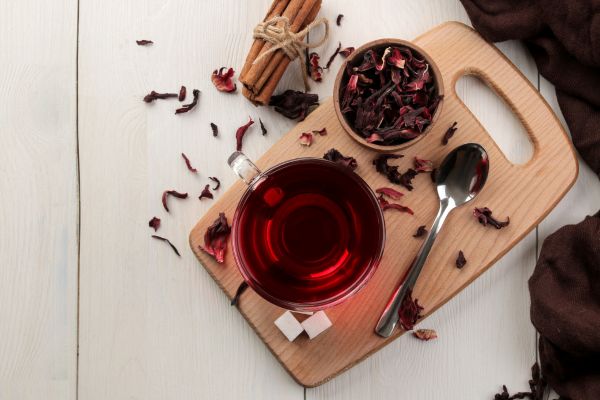
Hibiscus tea is prepared by steeping the dried, vibrantly colored petals of the hibiscus flower (commonly Hibiscus sabdariffa) in boiling water. It has a ruby-red color and a tart and fruity flavor, often compared to cranberries. Hibiscus tea is often enjoyed on its own or blended with other fruits to create a more flavorful and refreshing drink.
Hibiscus, among the best herbal teas is rich in powerful antioxidants, particularly anthocyanins, which are known for their heart-protective properties. Studies have found a range of health benefits linked to drinking hibiscus tea. It may help lower blood pressure, slow down the growth of bacteria, and even support weight loss.
Benefits of hibiscus flower
- Lowers blood pressure: Several studies have shown that drinking hibiscus tea can lower both systolic and diastolic blood pressure, assisting in the management of hypertension.
- Improves cholesterol levels: Hibiscus can help lower LDL (bad) cholesterol and triglycerides while boosting HDL (good) cholesterol, thereby supporting heart health.
- Supports liver health: Research shows hibiscus extract may promote liver health by increasing the efficiency of liver function and helping the body detoxify.
- Rich in antioxidants: Antioxidants in hibiscus tea help combat oxidative stress, a major factor in aging and chronic diseases.
- May aid in weight management: Some studies indicate that hibiscus can help reduce body fat and improve metabolic health.
How to enjoy
For a cooling summer drink, brew hibiscus tea and serve it chilled over ice. To balance the tartness, add a slice of lime or a dash of honey.
Rooibos Tea – For skin health & hydration
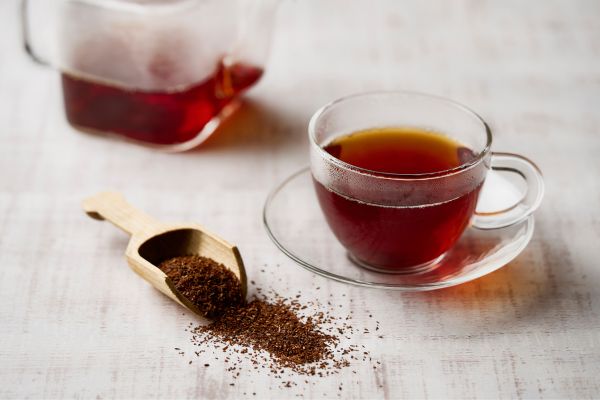
Rooibos tea, also known as red bush tea, comes from the leaves of the Aspalathus linearis plant native to South Africa. Enjoyed as a caffeine-free alternative to black tea, rooibos tea is often considered one of the best herbal teas for hydration and skin health. Once brewed, the tea has a naturally sweet, slightly nutty flavor and a bright reddish-brown hue.
Rooibos is lesser known than other herbal teas, but it has several health benefits. The tea is particularly rich in unique antioxidants like aspalathin and nothofagin. These compounds help reduce inflammation and prevent serious illnesses like cardiovascular disease and type 2 diabetes.
Benefits of rooibos tea
- Promotes hydration: Naturally caffeine-free and low in tannins, rooibos tea is gentle on the stomach and keeps hydrating, making it ideal for daily consumption.
- Reduces inflammation: Its anti-inflammatory properties can soothe skin irritations such as acne, eczema, and sunburn.
- Supports heart health: Rooibos may help improve blood lipid levels and lower blood pressure, protecting against heart conditions, including heart attacks and strokes.
- Improves sleep: As a caffeine-free drink, rooibos is a great evening drink that helps you stay hydrated while encouraging relaxation.
How to enjoy
Rooibos tea is delicious hot or cold. For an extra antioxidant boost, pair it with a squeeze of lemon or brew it alongside chamomile for a calming blend.
Conclusion
Incorporating the best herbal teas into your daily routine is a small change that can lead to big improvements in your overall health. Whether you’re relaxing with a soothing cup of chamomile, refreshing your senses with peppermint, or boosting your immunity with ginger, herbal teas offer countless benefits in every sip. When selecting a herbal tea, consider your personal health goals for maximum effectiveness.
About Future Generation Co., Ltd
Future Generation Company Limited is one of the largest beverage suppliers in Vietnam, with 28 years of experience in production and export. FGC is equipped with advanced homogenization devices and modern machines such as Hotfill PET and TetraPak with UHT technology, ensuring good quality and high-capacity production of mint tea. FGC strives to achieve our mission of becoming Vietnam’s leading healthy beverage company. Our factories also meet international standards such as ISO, HACCP, etc. In addition, we constantly innovate our machinery system, strengthen production capacity, and increase productivity.
With tea, FGC also provides Private Label Services. With this service, we can help customers research and formulate beverages, design product label packaging, and create their own brands. This is an ideal solution for small and medium enterprises. Moreover, FGC provides free samples for customers to test before bulk orders. We also ensure delivery as fast as possible.
Contact
Address: R4 building, Office Quarter 02, Royal City, 72A Nguyen Trai St., Thanh Xuan Dist., Hanoi.
Phone: +84 24 73 000 125/ +84 24 73 063 369
Mail: info@vietnam-tea.com
Website: https://oem-fgc.com/
Facebook: https://www.facebook.com/fgcvietnamtea
LinkedIn: https://www.linkedin.com/company/fgcvietnamtea/
Alibaba.com: https://fgcvietnam.trustpass.alibaba.com/
Source:
https://www.healthline.com/nutrition/10-herbal-teas
https://www.health.harvard.edu/nutrition/the-health-benefits-of-3-herbal-teas