
The popularity of specialty teas is increasing, as people are willing to pay higher prices for them. What is the difference between premium teas and mass-market tea? Why does this change occur?
Introduction
Tea drinks are now undergoing a clear premium transformation. Across global markets, consumers are increasingly willing to pay more for specialty teas that have superior quality, distinctive flavors, and a traceable origin. Specialty teas reflect a shift in consumer behavior, in which taste, wellness, sustainability, and traceability are as important as the price. In this article, let’s explore the reasons why this premium transformation is happening in the tea market.
What makes specialty tea different from mass-market tea?
Understanding the difference between various market focuses is crucial for tea brands. In a market that is saturated with mass-market, low-quality teas, specialty and premium teas are undoubtedly the way to go.
Premium teas are made from finer materials, including higher-quality tea leaves and other high-end ingredients. Meanwhile, the tea ingredients for the mass-market are often lower quality, broken, and dusty. Moreover, instead of pure and natural ingredients, lower-quality products may contain artificial flavorings and materials. Therefore, specialty teas will bring unique and more complex flavors, aromas, and mouthfeel experiences.
Besides, specialty teas contain what consumers are looking for today, which means they are likely to be traceable, organic, and sustainable. Premium teas are usually single-origin, which means they originate from a single region or estate and reflect the combination of soil, climate, altitude, and tradition. Cultivation, harvesting, and processing methods are also controlled strictly to guarantee that only the best leaves end up in your cup.
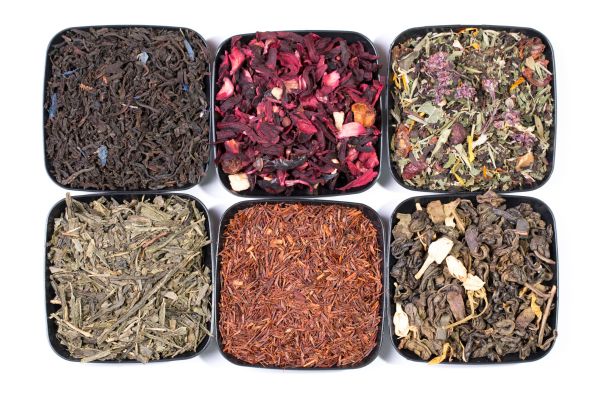
On the other hand, mass-market tea can meet the enormous demand for tea as a daily beverage throughout the world. This is a declaration of its intended usage. Those kinds of tea are produced on an industrial scale, so it is hard to trace their sources. Additionally, as mass-produced, their distinctive characteristics are not usually concentrated. Those teas’ most outstanding features are their affordability and accessibility to millions of people. You can easily find them in many available tea bags, ready-to-drink teas, and as ingredients for other blends.
Why are consumers willing to pay more for specialty tea?
Although specialty teas often cost more than commodity teas, there are several reasons why consumers are still willing to pay more for them.
Health and wellness focus
One of the primary reasons is the rising awareness of health and wellness. Because of the increasing prevalence of lifestyle diseases, consumers have been encouraged to adopt healthier nutritional options to improve their general well-being. It drives the rise of organic, herbal, and some wellness teas. Consumers are coming to teas not only for their taste but also for their functional benefits. Some popular claims when people look for tea now include relaxation, immunity-boosting, calming, and detoxification.
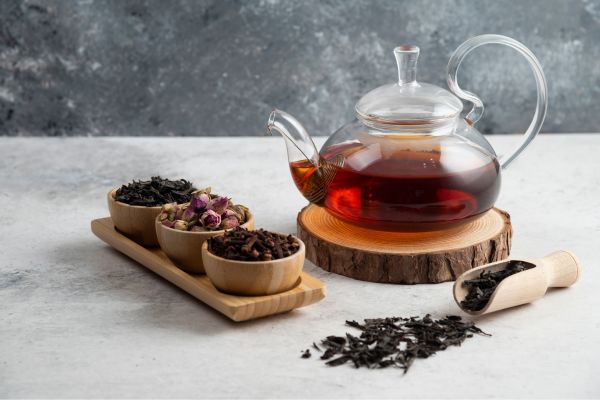
Organic teas are cultivated and produced without the use of artificial fertilizers and pesticides, so consumers can reduce their exposure to potentially harmful chemicals. Besides, specialty teas are believed to contain a higher concentration of beneficial compounds, such as antioxidants, due to healthier soil and minimal processing.
Quality and experience
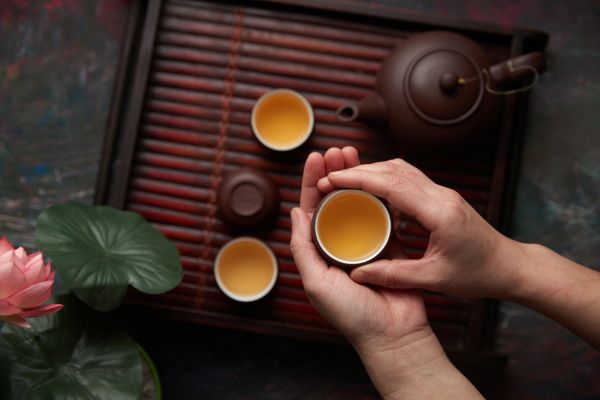
Consumer preferences are changing every day, indicating a desire for not just a drink but an experience. Tea, in general, is more than just a beverage but a reflection of individual taste and lifestyles. Specialty and organic teas often have a richer, more complex, and genuine flavor profile than mass-produced teas due to their natural growing conditions and higher-level craftsmanship. Some specialty teas are hand-picked seasonally, produced in small batches using traditional methods, bring a sense of exclusivity and increase their perceived value.
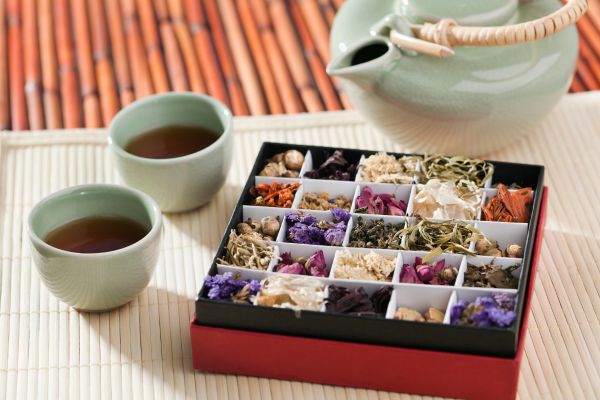
In addition, many consumers are becoming more curious about rare, artisanal, or single-origin combinations that have a distinctive origin. Clear origin, quality certifications, and traceability help build trust among customers and justify their high price. Higher prices of specialty teas also include storytelling, packaging design, brewing guides, and tasting notes, making consumers more comfortable paying more.
Ethical and sustainable values
Millennials and Generation Z are among the main customer groups of the tea market. Their purchasing behaviors are changing differently from those of previous generations. They are more conscious of the products’ broader impact and are willing to pay more for those that align with their values.
Specialty teas are frequently linked to sustainable farming practices, including protecting soil health, biodiversity, and sometimes even better labour conditions. Therefore, paying more for these products for some people is a way to protect the environment and support socially ethical production.
Moreover, increased demand for premium teas also creates more jobs for farmers and enhances corporate social responsibility. For example, boosting ancient tea plantations in high mountainous areas can contribute to creating jobs for ethnic minority people in these areas. Opening more output for the final products and training people there in cultivation also help preserve many rare tea varieties.
Explore more global tea trends:
Conclusion
The premium shift is more than a trend, but it reflects a bigger change in consumers’ purchasing behaviors. They are willing to pay higher prices for healthier and higher-quality options, and a better experience. Besides, consumers also care more about the ethical and sustainable value that a product brings. Therefore, for tea brands and manufacturers, understanding this shift is essential for future plans and development.
About Future Generation Co., Ltd
We are FGC, the leading tea and beverage exporter in Vietnam and one of the biggest tea suppliers in the world. Our tea products are diverse in types, grades, and production methods. We provide customers with Loose tea (such as Black tea, Green tea, and Oolong tea), Herbal tea (such as Rose tea, Chamomile tea, and Lotus tea), and Specialty tea (such as Matcha), RTD Tea, and Tea Bags. Our mission is to become Vietnam’s leading healthy beverage company.
We ensure stable tea sources for domestic markets and exports with vast high-grown tea farms and available herb gardens. Our tea gardens and factories also meet international standards such as FSSC, ISO, HACCP, KOSHER, HALAL, etc. In addition, we constantly innovate our machinery system, strengthen production capacity, and increase productivity. We also provide private label and customized packaging services for small and medium enterprises.
If you are a tea distributor, tea importer, teashop manager, or even tea lover, we are committed to being your prestigious tea source supplier in Vietnam!
Contact
Address: R4 building, Office Quarter 02, Royal City, 72A Nguyen Trai St., Thanh Xuan Ward, Hanoi.
Phone: +84 24 73 000 125/ +84 24 73 063 369
Mail: info@vietnam-tea.com
Website: https://vietnam-tea.com/
Facebook: https://www.facebook.com/fgcvietnamtea