
Understanding the current state of the global tea market and the emerging trends is crucial for tea brands to develop effective business strategies for the future.
Introduction
Tea is the second most consumed drink, after water. This staple beverage is a blend of traditional and contemporary values. Every country has developed its unique tea culture and consumes varying quantities of tea. However, the global tea market worldwide is evolving rapidly. Let’s have a look at the tea consumption and global tea market trends in this article.
Is the global tea market rising?
Although the forecast for the tea market varies by region, it generally indicates positive development. The total revenue is expected to reach US$292 billion by 2025, according to Statista. Asia Pacific is the market leader for tea launches and sales from 2020 until now, followed by Europe, the Middle East, and Africa.
In the UK tea market, sales value is projected to increase by 1.1% to about US$1190 million from 2023 to 2028, according to Mintel. However, the total volume is forecasted to decrease by 8% in the same period. Therefore, to compete with the rising competition from other beverages, such as soft drinks and coffee, tea brands need to diversify their products and take advantage of foodservice occasions.
Meanwhile, the US tea market is suffering from inflation. Therefore, the sales growth may come from price increases rather than the rise in consumption. A survey conducted by Mintel has pointed out that 83% of US adults drink tea, but fewer than 40% of surveyed people enjoy the most common types of tea.
During the 2023-2028 period, the volume of tea market sales in Germany is expected to increase by 4.8%. German consumers are increasingly concerned about their health and the environment, making the growth of organic tea products a key driver of this development.
The Chinese tea market is reaching maturity stage, but it is still projected to grow gradually to US$52 billion by 2027. It is thanks to the changes in tea consumption, which have expanded beyond just the traditional settings. The tea product portfolios are constantly diversifying, with the launch of new flavors and packaging types.
What are the global tea market trends?
Sustainability
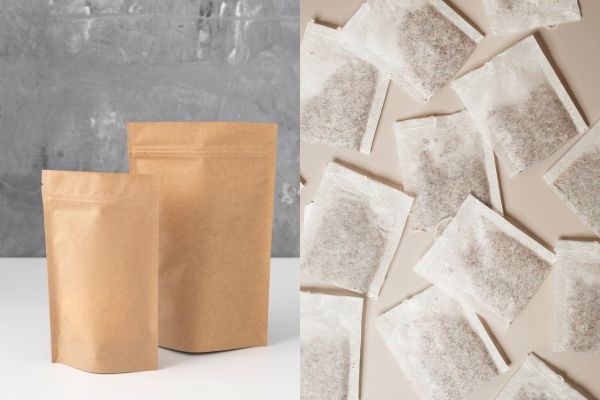
Sustainability is highly valued globally due to customer demand for ethically produced tea products with minimal environmental impact. One notable step taken by tea brands in their pursuit of sustainability is the adoption of eco-friendly packaging. Mintel’s research showed that more than one-third of tea and RTD tea launches worldwide contained environmentally friendly packaging in 2023. A survey conducted in Thailand indicated that 25% of consumers were willing to pay extra for tea that comes in non-plastic bags.
Furthermore, sustainability extends not only to packaging, but also to tea sources and farming practices. Tea drinkers, particularly in Germany, are willing to pay more for ethically sourced tea. Additionally, sustainable tea cultivation is often associated with maintaining soil health and biodiversity and decreasing carbon footprint.
Tea claims and positioning trends
According to Innova Market Insights, the top five positioning in the tea market worldwide are organic, natural, premium, traditional, and no additives and preservatives.
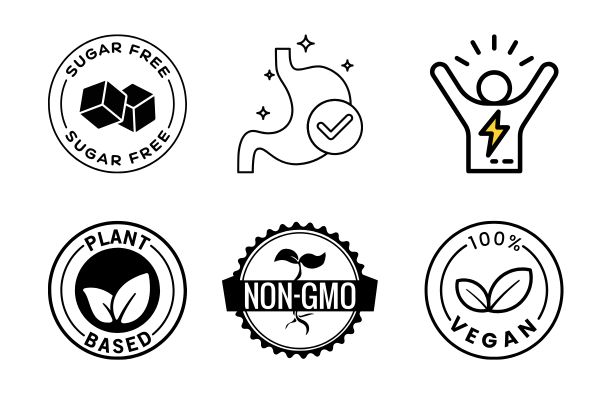
Meanwhile, tea claims vary by country and region, reflecting consumers’ different demands in these areas. For example, European consumers often prefer gluten-free claims, while functional claims, such as energy, alertness, digestive and heart health, are of interest in Asia Pacific. Besides, North American customers are seeking plant-based, GMO-free, and sugar-free claims. Meanwhile, there is a rising trend in digestive and gut health, diabetic and vegan claims in the Middle East and Africa. Although the most popular claims vary by region, they generally point to health benefits, reflecting a common concern among tea drinkers.
Tea flavor trends
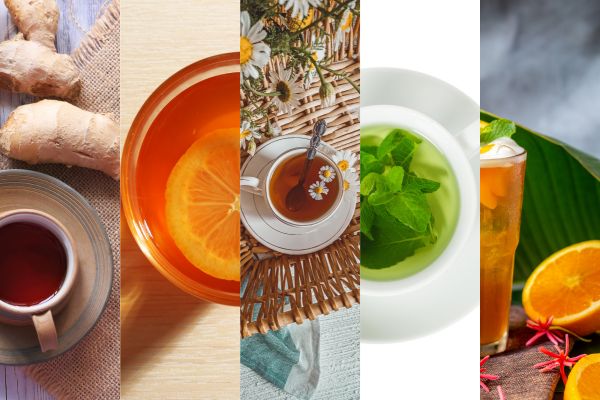
The global tea market currently consists not only of traditional teas, but flavored teas are also becoming more popular. Innova Market Insights pointed out that the top five flavors include ginger, lemon, chamomile, mint, and orange. Moreover, with diverse regional preferences, the tea trending flavors are constantly changing, resulting in the tea market’s diversity. Tea flavors are often affected by tradition, culture, weather, and regional trends. For instance, consumers in Asia Pacific are more interested in goji and ginseng, while people in Europe prefer red apple, passion flower, and honey flavors.
Explore more tea flavor trends:
The rise of functional teas
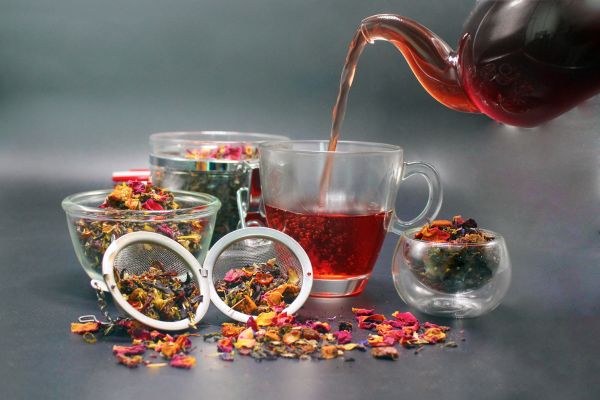
The rising interest of consumers in health and wellness remarkably contributed to the rise of functional teas. Functional teas are gaining popularity due to their additional health benefits, such as improved energy and immunity, enhanced sleep and mental focus, and overall well-being.
Surveys conducted by Mintel indicated that more than half of tea drinkers in the US are willing to try a new brand if they are linked with functional claims. Meanwhile, about one-fifth of customers in the UK opt for tea products with additional health benefits. It reflects a rising consumer desire for tea that tastes good while benefiting overall well-being. The global tea market is responding to the growth of functional teas with constantly innovative launches to meet specific health needs.
Read more about functional tea market:
Conclusion
The global tea market is evolving quickly, driven by some prominent trends like sustainability and functional teas with remarkable tea flavors and claims. It is crucial to understand the characteristics and insights of the target market. Based on that data, tea brands can create new and unique flavors with health-oriented claims to increase tea consumption.
About Future Generation Co., Ltd
We are FGC, the leading tea and beverage exporter in Vietnam and one of the biggest tea suppliers in the world. Our tea products are diverse in types, grades, and production methods. We provide customers with Loose tea (such as Black tea, Green tea, and Oolong tea), Herbal tea (such as Rose tea, Chamomile tea, and Lotus tea), and Specialty tea (such as Matcha), RTD Tea, and Tea Bags. Our mission is to become Vietnam’s leading healthy beverage company.
We ensure stable tea sources for domestic markets and exports with vast high-grown tea farms and available herb gardens. Our tea gardens and factories also meet international standards such as ISO, HACCP, KOSHER, HALAL, etc. In addition, we constantly innovate our machinery system, strengthen production capacity, and increase productivity. We also provide private label and customized packaging services for small and medium enterprises.
If you are a tea distributor, tea importer, teashop manager, or even tea lover, we are committed to being your prestigious tea source supplier in Vietnam!
Contact
Address: R4 building, Office Quarter 02, Royal City, 72A Nguyen Trai St., Thanh Xuan Ward, Hanoi.
Phone: +84 24 73 000 125/ +84 24 73 063 369
Mail: info@vietnam-tea.com
Website: https://vietnam-tea.com/
Facebook: https://www.facebook.com/fgcvietnamtea
LinkedIn: https://www.linkedin.com/company/fgcvietnamtea/
Alibaba: https://fgcvietnam.m.trustpass.alibaba.com/
Source:
https://www.mintel.com/insights/food-and-drink/exploring-tea-consumption-global-tea-market-trends/