
Along with the continuous expansion of the tea market, functional tea is also gaining more and more attention. Let’s explore the rise of functional teas and see how innovation is shaping the future beverage market.
Introduction
The functional tea market is one of the most dynamic segments in the global beverage industry, combining traditional tea culture with modern wellness trends. As consumers increasingly prioritize health and wellness, functional teas have emerged as a natural way to deliver health benefits that go beyond hydration and flavor. This article explores what functional tea is, key growth statistics, and major drivers of demand that are shaping the future of the functional tea industry.
What is functional tea?
Functional tea refers to specially formulated tea blends that provide additional health benefits beyond traditional tea consumption. Unlike regular teas that are consumed primarily for flavor and caffeine, functional teas incorporate several beneficial ingredients. These formulas are purposefully designed to support specific health goals such as boosting the immune system, digestive health, reducing stress, or improving cognitive function.
These teas often combine a variety of beneficial ingredients including adaptogens, herbs, botanicals, probiotics, vitamins, and minerals along with traditional tea leaves. This category includes herbal teas made from dried fruits and herbs, as well as flavored versions of traditional teas such as green, black, and oolong teas that have been fortified with functional ingredients.
- Detox teas: often blended with dandelion, lemongrass, or milk thistle.
- Immunity-boosting teas: made with echinacea, elderberry, turmeric, or ginger.
- Digestive teas: containing peppermint, fennel, licorice, and probiotics.
- Stress relief and relaxation teas: including calming herbs like chamomile, lavender, or ashwagandha.
- Energy and focus teas: using caffeine-containing ingredients like matcha, ginseng, or yerba mate.
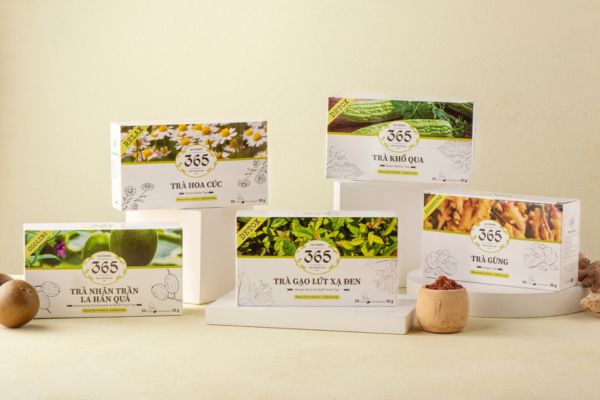
Functional tea market overview
The tea market has been undergoing significant transformation, especially the functional tea segment. According to a report by Market Research Future, the functional tea market was valued at USD 7.65 billion in 2023 and is projected to reach USD 12.47 billion by 2032, growing at a CAGR of 5.49%. This growth represents a substantial portion of the overall tea market, which continues to expand globally.
Key segments of the functional tea market include:
- Tea bags and loose-leaf teas remain popular among traditional consumers.
- Ready-to-drink (RTD) functional teas, such as cold brews and sparkling herbal drinks, are gaining ground—especially among younger demographics.
- Functional tea powders and wellness shots cater to on-the-go, convenience-focused buyers.
By region, North America leads in RTD functional tea innovation, driven by the consciousness about health and wellness among consumers. However, significant growth potential also exists across Asia-Pacific, Europe, and emerging markets, where tea consumption is deeply rooted in local culture and continues to evolve with modern health and lifestyle trends.
The functional tea market is becoming increasingly competitive due to the entry of many tea brands. Top global brands in this space include Yogi Tea, Pukka Herbs, Traditional Medicinals, Celestial Seasonings, and Bigelow, while boutique startups and OEM/private label tea manufacturers are entering with niche functional blends.
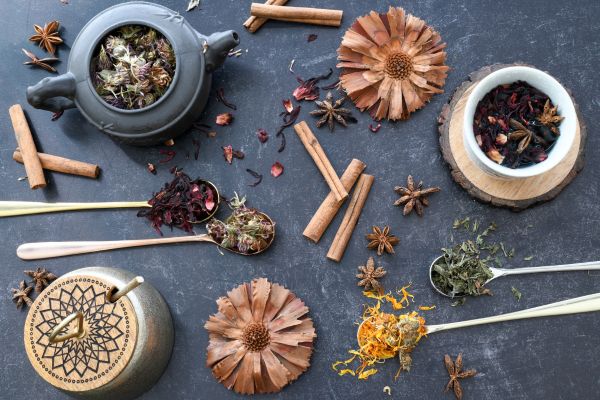
Key market drivers
The growth of the functional tea market is driven by a lot of interconnected trends that reflect a broader shift in the way people approach health, wellness, and consumption. Let’s explore these drivers in detail:
Rising health consciousness
The primary driver of functional tea market growth is the rise in health consciousness among global consumers. Functional teas, with ingredients that support immunity, digestion, sleep, or mental focus, align perfectly with this new health mindset. A 2023 report by FMCG Gurus found that 73% of global consumers are now taking proactive steps to improve their immune health. This shift is especially strong among millennials and Gen Z, who prefer natural and plant-based solutions over synthetic supplements or pharmaceuticals.
Demand for better-for-you beverages
Consumers are increasingly reducing their intake of sugary sodas and artificially flavored drinks. This creates a significant opportunity for functional beverages, especially teas, to step in as healthier alternatives. According to Euromonitor, global sales of carbonated soft drinks are slowing, while functional beverages are expected to grow at a CAGR of 8-10% over the next five years. Functional teas often come unsweetened or lightly sweetened, making them attractive to diabetics, athletes, and health-conscious consumers. This trend is further supported by health policies such as sugar taxes and food labeling reforms, encouraging cleaner, lower-sugar choices.

Mental health and stress management needs
Stress, anxiety, and sleep issues are widespread, especially among urban populations. That’s why they prioritize mental health and increase demand for natural stress-relief solutions. A study by the American Psychological Association in 2022 reported that over 75% of adults experience moderate to high levels of stress regularly. Several functional teas have combined adaptogens, L-theanine, and calming herbs like chamomile to offer relaxation, calming, or sleep-promoting effects. These products easily become part of consumers’ daily routines.
Premium product positioning
Consumers increasingly consider functional tea as a premium product worth investing in for its health benefits, making them more willing to pay higher prices. This creates favorable conditions for brands to invest in high-quality ingredients, research, and innovation. The rising number of functional tea product launches also highlights the growing dynamism and potential of this segment.
Product innovation and new launches
Brands are finding new and innovative ways to incorporate functional ingredients that enhance both the effectiveness and overall consumer experience. Functional teas are no longer just herbal teas, they are becoming more advanced, with clear health benefits, high-quality ingredients, and modern packaging. Here are some examples of new ideas you can learn from:
Ingredient innovation
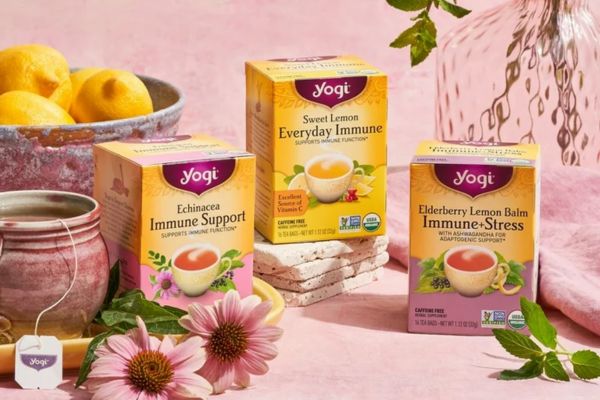
New functional teas combine scientifically proven nutrients with ancient herbs to address specific health concerns like immunity, skin health, digestion, energy, and more. For example, Sweet Lemon Everyday Immune of Yogi Tea combines vitamin C, tulsi, rosehip, lemongrass, and lemon peel to support daily immune function. It bridges functional formulation with appealing flavor profiles. In addition, Traditional Medicinals has launched Organic Smooth Move Tea, which is made from senna and other supportive digestive herbs, used for occasional constipation relief.
Targeted wellness solutions
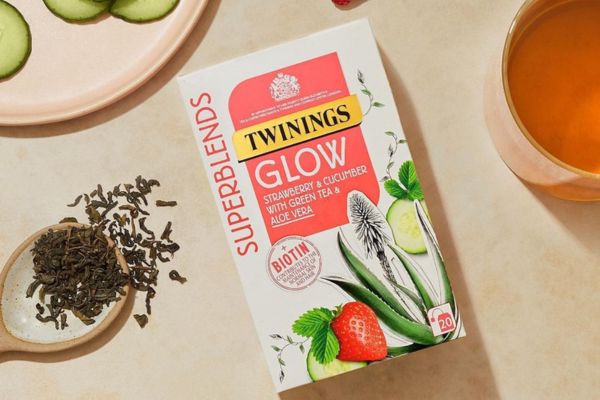
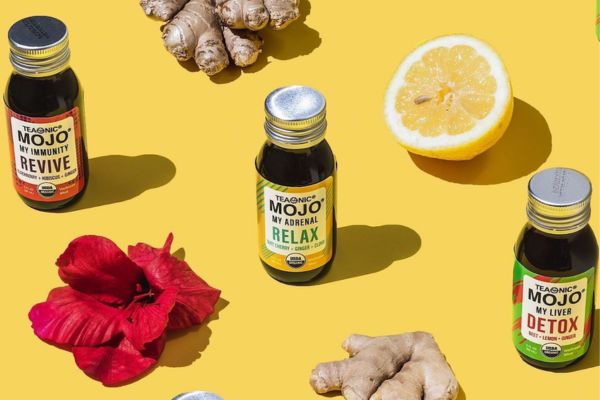
New product launches are becoming more targeted in their health positioning. Instead of broad wellness claims, brands are now formulating teas to address specific needs like post-workout recovery, reduced stress, enhanced cognitive performance, and support glow skin. For instance, Teaonic has introduced I Love My Adrenals, a ready-to-drink herbal tea made with cinnamon, ginger, and clove to relieve stress. Twinings Glow Tea adds biotin along with other ingredients like strawberry, cucumber, and aloe vera to contribute to the maintenance of skin and hair.
Convenience format innovation
Beyond traditional loose-leaf and tea bag formats, brands are pushing innovation with ready-to-drink functional teas, concentrated liquid shots, and instant powder blends. All are designed to preserve the effectiveness of functional components while providing greater convenience. Teaonic Herbal Wellness Shots is a prime example. These small, drinkable bottles are labeled for specific functions like “detox”, ”relax”, and ”revive”, providing convenience yet effectiveness.
Conclusion
Functional tea is no longer a niche, it has become one of the fastest-growing categories in the beverage market. As more consumers seek natural ways to support immunity, digestion, energy, and relaxation, functional teas are taking center stage. This growing demand brings both opportunities and challenges for businesses. However, with the right innovation and a strong understanding of consumer needs, brands can stand out and succeed in this competitive space.
About Future Generation Co., Ltd
Future Generation Company Limited is one of the largest tea and beverage suppliers in Vietnam, with 28 years of experience in production and export. FGC is equipped with modern technology to produce tea, ensuring high-capacity production and uniformity between production batches. Thanks to using automatic systems in production along with high-speed grinding machines, we are able to supply large quantities of tea to the market, meeting consumer needs.
FGC strives to achieve our mission to become Vietnam’s leading healthy beverage company. Our factories also meet international standards such as ISO, HACCP, etc. In addition, we constantly innovate our machinery system, strengthen production capacity, and increase productivity. If you have any questions about matcha powder, feel free to contact us here:
Contact
Address: R4 building, Office Quarter 02, Royal City, 72A Nguyen Trai St., Thanh Xuan Dist., Hanoi.
Phone: +84 24 73 000 125/ +84 24 73 063 369
Mail: info@vietnam-tea.com
Website: https://oem-fgc.com/
Facebook: https://www.facebook.com/fgcvietnamtea
LinkedIn: https://www.linkedin.com/company/fgcvietnamtea/
Alibaba.com: https://fgcvietnam.trustpass.alibaba.com/
Source:
https://www.marketresearchfuture.com/reports/functional-tea-market-3122