
Introduction
Although the Asia-Pacific region includes some of the world’s top coffee producers, its strong tea tradition has long limited coffee consumption. Today, demographic shifts, rising demand from younger generations, and innovative coffee product launches are transforming the market. For businesses, understanding this evolving industry is key to identifying both opportunities and challenges. Follow this article to learn more about this market.
Coffee consumption landscape in the Asia Pacific
According to Mordor Intelligence, the Asia-Pacific coffee market is valued at USD 30.26 billion in 2025 and is projected to reach USD 41.15 billion by 2030, growing at a CAGR of 6.34% during the forecast period. This growth reflects a gradual shift from traditional tea consumption toward coffee as a lifestyle choice, supported by rising disposable incomes, rapid urbanization, and the influence of digital purchasing behaviors.
However, the consumption of coffee per capita in the Asia Pacific is the lowest in the world. According to the International Coffee Organization, this region accounts for 25.7% of the global coffee consumption in the 2022/23 coffee year.
Japan is the biggest coffee consumer in the Asia-Pacific region, nearly 6.89 million 60-kilogram bags, or 413,400 tons of coffee during the period, based on data from the U.S. Department of Agriculture’s Foreign Agricultural Service. Japan and South Korea have well-established coffee cultures, while China’s coffee market is still young but expanding rapidly.
In Vietnam and Indonesia, coffee is both a daily drink for locals and a major export product. Australia, on the other hand, has one of the highest per-capita coffee consumption rates in the region, with an average of 2 kg per person annually. The diversity in consumption shows how the Asia Pacific is not a uniform market but a mix of different and evolving trends.
Key coffee market segments
Specialty and roasted coffee
Specialty coffee shops and third-wave coffee are thriving, especially in South Korea, Japan, and Australia. Millennials and Gen Z consumers increasingly demand high-quality and single-origin beans, artisanal brews, and unique experiences. Specialty coffee is not just a product category, it is a lifestyle statement. More than just a product category, specialty coffee has become a lifestyle. Urban consumers are developing refined tastes and are willing to pay premium prices for exceptional coffee.
Instant coffee
Instant coffee remains extremely popular in emerging markets like Vietnam, Indonesia, and India, where it dominates at-home consumption. Instant coffee is popular due to its convenience, affordability, and long shelf life. Manufacturers are continuously improving quality, introducing premium instant options, and developing products tailored to local taste preferences. In this segment, sachets are the fastest growing packaging type, jars lead in revenue.

Ready-to-drink (RTD coffee)
Today, RTD coffee comes in many formats – bottles, cans, or cartons – and is spreading across Asia Pacific, especially among busy urban consumers. Japan leads the RTD segment, where canned coffee vending machines have been popular for decades. South Korea follows closely, with RTD coffee valued at USD 2.52 billion in 2025 (data from Statista). New trends in this space include cold brew varieties, functional enhancements, and positioning that appeals to quality-conscious consumers.
Consumer behavior and lifestyle
Changing lifestyles, growing health concerns, and the influence of younger generations are shaping the coffee market in the Asia Pacific. Consumers are looking for healthier, more premium products and are willing to pay more for a unique experience.
Younger demographics leading demand
Millennials and Gen Z are reshaping coffee consumption in the Asia Pacific. Cold brew and iced coffee have become popular as Gen Z enjoys coffee at the end of the day as a refreshing drink instead of the traditional hot drink in the morning. In addition, they seek unique experiences, from latte art and specialty brewing to limited-edition flavors. They are also early adopters of online ordering and mobile ordering, prioritizing convenience.
Coffee shops as a “Third place”
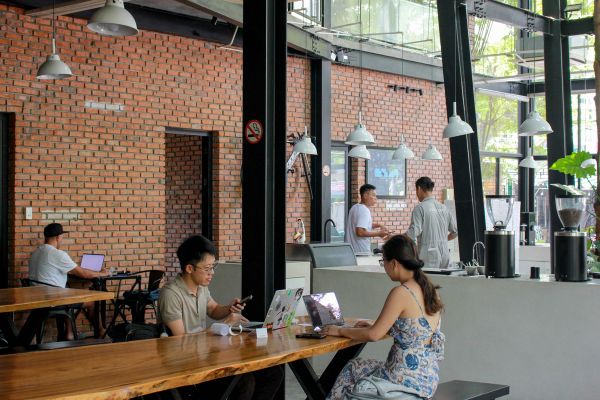
In many Asia Pacific countries, cafés are more than just places to grab a drink; they serve as social and work hubs. South Korea is a prime example, with over 70,000 coffee shops nationwide, more per capita than the United States. Students, professionals, and young entrepreneurs use cafés as spaces to study, work remotely, or connect socially. Millennials and Gen Z are at the forefront of this transformation, seeking unique coffee experiences, personalized flavors, and trendy café environments that align with their identity.
Health and wellness concern
Health-conscious choices are strongly shaping demand. Low-sugar, dairy-free, and functional coffees infused with protein, collagen, or adaptogens are becoming mainstream across urban markets. Concerns about the high sugar content in instant coffee mixes, along with growing demand for better taste and more sophisticated flavor, are boosting the popularity of fresh coffee.
Customization and premiumization
Consumers in the Asia Pacific are increasingly willing to pay higher prices for better coffee experiences, whether that means ethically sourced beans, expert preparation, or unique flavor profiles. Moreover, they also expect to tailor their coffee experience. Whether it is choosing brewing methods (pour-over, cold brew, espresso) or experimenting with flavor syrups and plant-based milk, customization is a must.
Production and supply chain
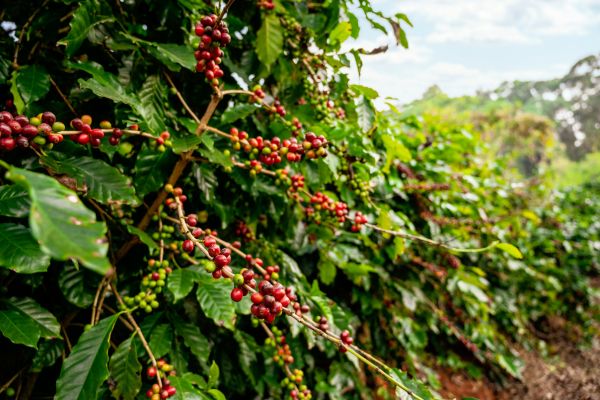
The Asia-Pacific region is a unique coffee market because some of the world’s biggest coffee producers are also becoming major consumers. Vietnam and Indonesia lead as key producers, while China and India are also growing in importance, though to a smaller extent. Vietnam is the world’s second-largest coffee exporter and the largest exporter of Robusta coffee. In 2024, Vietnam exported 1.32 million tons of coffee, contributing about 17% of the total global coffee supply.
However, climate change poses increasing challenges to coffee production in the region. Hotter temperatures, unpredictable rainfall, and extreme weather are pushing farmers to change their methods and even consider moving production to new areas. World Coffee Research warns that without significant adaptation, suitable coffee-growing areas in Asia could drop by up to 50% by 2050. This is a critical issue that requires further research and solutions, threatening the coffee supply in the region.
Opportunities and challenges for businesses
The coffee market in the Asia Pacific presents vast opportunities. Rising middle-class populations are willing to spend more on premium and specialty coffee, while café chains and local startups are rapidly expanding to meet demand. Digital coffee commerce and delivery services offer new channels for growth, particularly in urban areas.
At the same time, challenges remain. Competition is intense, not only within the coffee sector but also against other beverages like tea, energy drinks, and functional beverages. Climate change and sustainability pressures require businesses to rethink sourcing and packaging strategies. Companies that can balance innovation with sustainability will be better positioned to succeed.
Conclusion
The coffee market in the Asia Pacific represents one of the most dynamic and promising growth opportunities in the global food and beverage industry. As both a major consumer hub and a global production powerhouse, the Asia Pacific plays a central role in shaping the future of coffee worldwide. Businesses that understand local lifestyles and adapt to evolving consumer expectations will find immense opportunities in this fast-moving market.
About Future Generation Co., Ltd
Future Generation Company Limited is one of the largest tea and beverage suppliers in Vietnam, with 28 years of experience in production and export. FGC is equipped with modern technology to produce instant and RTD coffee, ensuring high-capacity production and uniformity between production batches. Thanks to using automatic systems in production along with advanced processing machines, we are able to supply large quantities of tea and beverages to the market, meeting consumer needs.
FGC strives to achieve our mission to become Vietnam’s leading healthy beverage company. Our factories also meet international standards such as ISO, HACCP, etc. In addition, we constantly innovate our machinery system, strengthen production capacity, and increase productivity. If you have any questions about our products, feel free to contact us here:
Contact
Address: R4 building, Office Quarter 02, Royal City, 72A Nguyen Trai St., Thanh Xuan Dist., Hanoi.
Phone: +84 24 73 000 125/ +84 24 73 063 369
Mail: info@vietnam-tea.com
Website: https://oem-fgc.com/
Facebook: https://www.facebook.com/fgcvietnamtea
LinkedIn: https://www.linkedin.com/company/fgcvietnamtea/
Alibaba.com: https://fgcvietnam.trustpass.alibaba.com/
Source:
https://www.euromonitor.com/coffee-in-asia-pacific/report
https://www.kerry.com/insights/kerrydigest/2024/coffee-culture-in-asia