
Asian flavors, such as matcha, yuzu and lychee are making their mark in the global beverage industry. What is driving their growth?
Introduction
Asian flavors, ranging from exotic fruits like lychee and yuzu to traditional herbs like ginger and ginseng, were once considered niche and mostly found in their native regions. Today, they have appeared in drinks, restaurants, and cafes worldwide. These flavors offer more than just a new taste, they bring rich cultural stories and centuries of tradition. This article provides you with helpful information about these flavors and how they became popular in the beverage industry.
What are Asian flavors in the beverage world?
Basically, Asian flavors are a wide range of ingredients that originated from East Asia, Southeast Asia, and South Asia. These flavors include fruits, herbs, spices, teas, and plant-based ingredients that are deeply rooted in local cultures and traditional cuisines. Unlike many Western beverages that focus on a single dominant flavor, many Asian ingredients bring a more complex, layered experience.
Beyond their distinctive and novel flavors, Asian flavors appeal to consumers for their deep cultural value. Traditional Asian medicine also plays a key role, incorporating natural herbs like ginger and ginseng into drinks to promote wellness and balance, creating beverages that nourish both body and soul. The rise of unique and unusual flavor combinations inspired by global cuisines offers exciting experiences for adventurous consumers seeking to explore international tastes from the comfort of home.
Common categories of Asian flavors
- Tropical and regional fruits
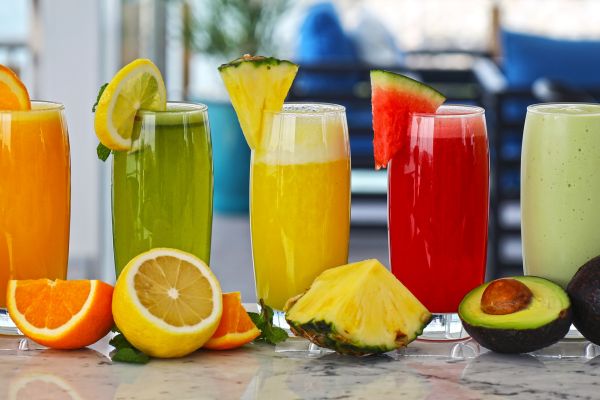
Citrus fruits like yuzu and calamansi can provide complex citrus notes often described as more sophisticated than traditional lemon or lime. They are often used to add a bold sour-sweet flavor to juices, teas, and functional drinks. Lychee, longan, passionfruit, guava, dragon fruit, etc, bring floral, tangy, or sweet notes.
- Floral and fragrant herbs
Pandan leaves, lemongrass, and jasmine provide fragrance, with a particularly refreshing scent. Pandan, often called the “vanilla of Asia,” provides a subtle sweetness with grassy undertones. Jasmine gives a delicate, perfume-like flavor to drinks. In contrast, lemongrass brings a refreshing, warm citrus feeling.
- Tea base
Tea bases like matcha, hojicha, and genmaicha are popular. Their flavors range from grassy and bitter to roasted and floral. Matcha offers grassy, umami-rich notes that pair beautifully with creamy textures, while hojicha brings roasted, nutty characteristics that complement both hot and cold applications.
- Spices and roots
Asian spices can add warmth, complexity, and functional health benefits. Typical flavors are ginger, turmeric, cardamom, and cinnamon. They are often combined with tea in hot drinks or cold drinks to enhance the effects.
Why Asian flavors are gaining popularity globally
Asian flavors are increasingly popular with consumers around the world, from exotic fruits to fragrant flowers and calming herbs. This growing interest is driven by several factors, especially as globalization makes it easier for people to discover and access ingredients that were once unfamiliar or hard to find. Below are some key reasons behind this rising trend:
Consumer behavior shifts
The modern consumer, particularly among Millennials and Gen Z, seek novelty, authenticity, and sensory experience. They are no longer satisfied with predictable tastes. This shift has brought Asian flavors into the spotlight. Additionally, consumers increasingly value products that have cultural roots and real stories. Drinks made with ingredients like pandan, tamarind, or ube offer more than just taste, they deliver connection to a place or tradition.
Platforms like TikTok and Instagram also contribute to the rise of Asian flavors. Beverages with stunning colors like butterfly pea flower tea and ube milk go viral, encouraging them to learn more about these unique ingredients.
Cultural exchange and globalization
Asian flavors in drinks are becoming popular all around the world, and it can’t be separated from the growing global interest in Asian culture. Over the past decade, parts of Asian culture, like K-pop, anime, and Asian cuisines, have spread, leading to curiosity and excitement about Asian food and drinks. Besides, Asian communities in America, Europe, Australia have brought authentic Asian food and beverage traditions to new markets. This creates initial demand that has gradually expanded beyond ethnic communities to consumers worldwide.
Travel has played a big role in making Asian flavors more popular. As more people travel to Asia and taste unique and authentic foods and drinks here. When they return home, they want to enjoy those same flavors again. This has led to more demand for real ingredients and traditional ways of making those foods, inspiring new products in stores and restaurants.
Wellness appeal
As consumers prioritize health and wellbeing, they are actively seeking drinks with extra benefits like boosting focus, energy, digestion, or immunity. Many Asian ingredients come from traditional medicine and natural diets, making them a great fit for these health-focused drinks. For example, matcha contains L-theanine and EGCG, supporting calm focus and antioxidant defense. Ginger and turmeric have long been used in Asian medicine for digestion and inflammation. Adaptogenic herbs like ginseng and reishi mushrooms are combined in modern functional beverages.
Top trending Asian flavors in beverages
In addition to well-known Asian ingredients like green tea and black tea, more tropical fruits and traditional Asian teas are gaining global recognition. Ingredients such as lychee, yuzu, and matcha have recently surged in popularity, becoming highly sought-after in the beverage industry.
Tropical fruits
- Lychee
Lychee is grown mainly in Vietnam, China, and Southeast Asia. It is known for a juicy, sweet, and floral taste. According to Numerator, fresh lychee is leading the trend with unit sales soaring by 77% compared to last year. With its natural sweetness, lychee helps reduce the need for additional sugars in mixed drinks, such as iced tea, smoothies, and cocktails.
- Yuzu
A Japanese fruit, yuzu is a highly aromatic citrus fruit with a tangy, floral, and slightly bitter profile. It has a more complex flavor than the familiar citrus, combining the tartness of grapefruit with the brightness of lemon and a light floral aroma. This fruit is used in fruit teas, sparkling water, or cocktail mixers. Its unique aroma and visuals have made it a premium flavor in both alcoholic and non-alcoholic drinks.
- Calamansi
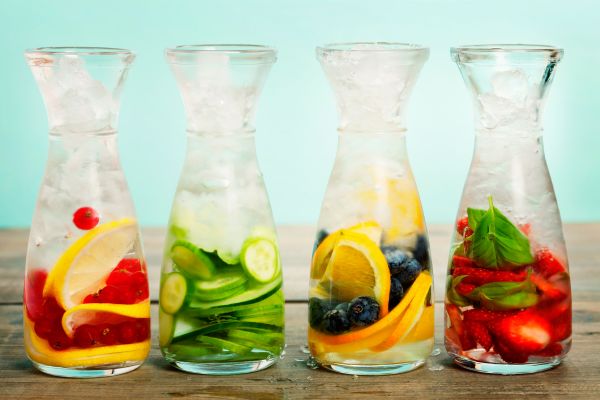
Calamansi is a small citrus fruit native to Southeast Asia. It is characterized by a sharp, sour taste and a sweet aftertaste. High in vitamin C and natural electrolytes, calamansi is popular in health-focused beverages. It is also widely used in juices, detox waters, or tea-based drinks.

Tea-based flavors
- Matcha
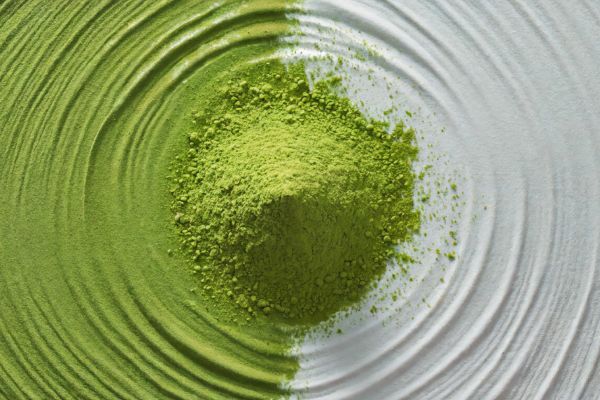
Matcha is a finely ground powder of specially grown tea leaves. It provides a rich, grassy, and umami flavor with a vibrant green color. According to Mordor Intelligence, the matcha market size is estimated at USD 2.46 billion in 2025 and is expected to reach USD 3.02 billion by 2030. Matcha has become a staple in many cafes. Some of the matcha beverages are matcha latte, matcha milk tea, matcha coconut, etc.
- Thai tea
Originating from Thailand, Thai tea is a flavored black tea that is often blended with milk to become Thai milk tea. It has gained global popularity through bubble tea shops, canned milk tea, and ice cream. It offers a bold, comforting taste and eye-catching orange or green color.
Herbal and botanical flavors
- Pandan
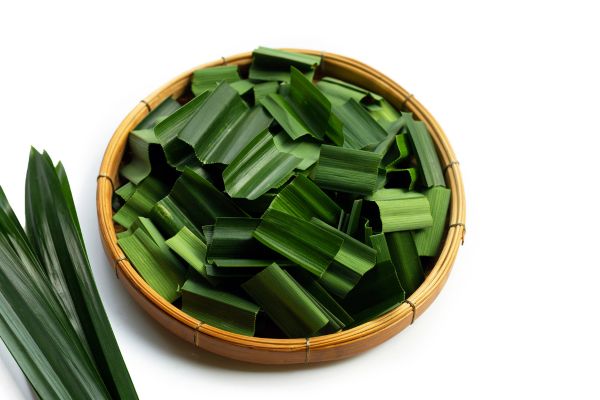
Often called the “vanilla of Asia”, pandan offers a unique flavor profile that combines subtle sweetness with grassy, almost coconut-like undertones. Its distinctive aroma and flavor make it particularly appealing in desserts and drinks. With its natural green color, it is also used as a colorant.
Beverage Brands Embracing Asian Flavors
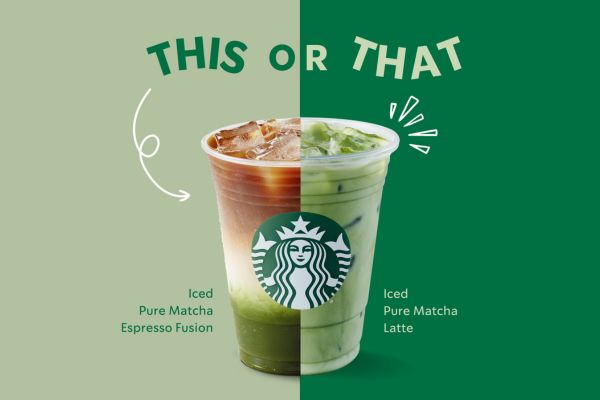
Starbucks has introduced Asian flavors to American consumers, with matcha drinks becoming a regular menu staple rather than a limited-time offering. They also offer yuzu teas, sakura and hojicha drinks in specific regions. Besides, Nestlé has promoted matcha and green tea-based RTD beverages under various labels.
Regional brands like Sanzo, a sparkling water brand in the U.S., feature Asian fruit flavors like lychee, calamansi, and yuzu in their products. Similarly, Pop & Bottle develops matcha and turmeric latte blends with functional benefits. By using these exotic flavors, brands successfully attract great attention from young people.
Conclusion
The growing popularity of Asian flavors is a reflection of globalization, which continues to connect cultures, cuisines, and people around the world. These flavors offer new, exciting experiences that are especially appealing to young generations who are adventurous and always looking for something new. For businesses in the beverage industry, this presents a valuable opportunity. By incorporating Asian-inspired ingredients into product development, brands can tap into consumer curiosity, stand out in a crowded market, and appeal to evolving tastes.
About Future Generation Co., Ltd
Future Generation Company Limited is one of the largest tea and beverage suppliers in Vietnam, with 28 years of experience in production and export. FGC is equipped with modern technology to produce tea, ensuring high-capacity production and uniformity between production batches. Thanks to using automatic systems in production along with advanced processing machines, we are able to supply large quantities of tea to the market, meeting consumer needs.
FGC strives to achieve our mission to become Vietnam’s leading healthy beverage company. Our factories also meet international standards such as ISO, HACCP, etc. In addition, we constantly innovate our machinery system, strengthen production capacity, and increase productivity. If you have any questions about our products, feel free to contact us here:
Contact
Address: R4 building, Office Quarter 02, Royal City, 72A Nguyen Trai St., Thanh Xuan Ward, Hanoi, Vietnam
Phone: +84 24 73 000 125/ +84 24 73 063 369
Mail: info@vietnam-tea.com
Website: https://oem-fgc.com/
Facebook: https://www.facebook.com/fgcvietnamtea
LinkedIn: https://www.linkedin.com/company/fgcvietnamtea/
Alibaba.com: https://fgcvietnam.trustpass.alibaba.com/
Source:
https://www.thasegawa.com/from-matcha-to-sriracha-asian-flavor-trends-from-the-worlds-leading-expert-in-eastern-food-beverage-flavors/
https://www.kerry.com/insights/kerrydigest/2024/asian-flavour-trends
https://www.numerator.com/resources/blog/2023-food-trends-and-2024-outlook/